This material may not be published, broadcast, rewritten, or redistributed. ©2026 Twincitieslocalnews - local news, local sports

Thursday, November 19, 2026
By MN Newswire staff
Published: October 30, 2026 10:55am
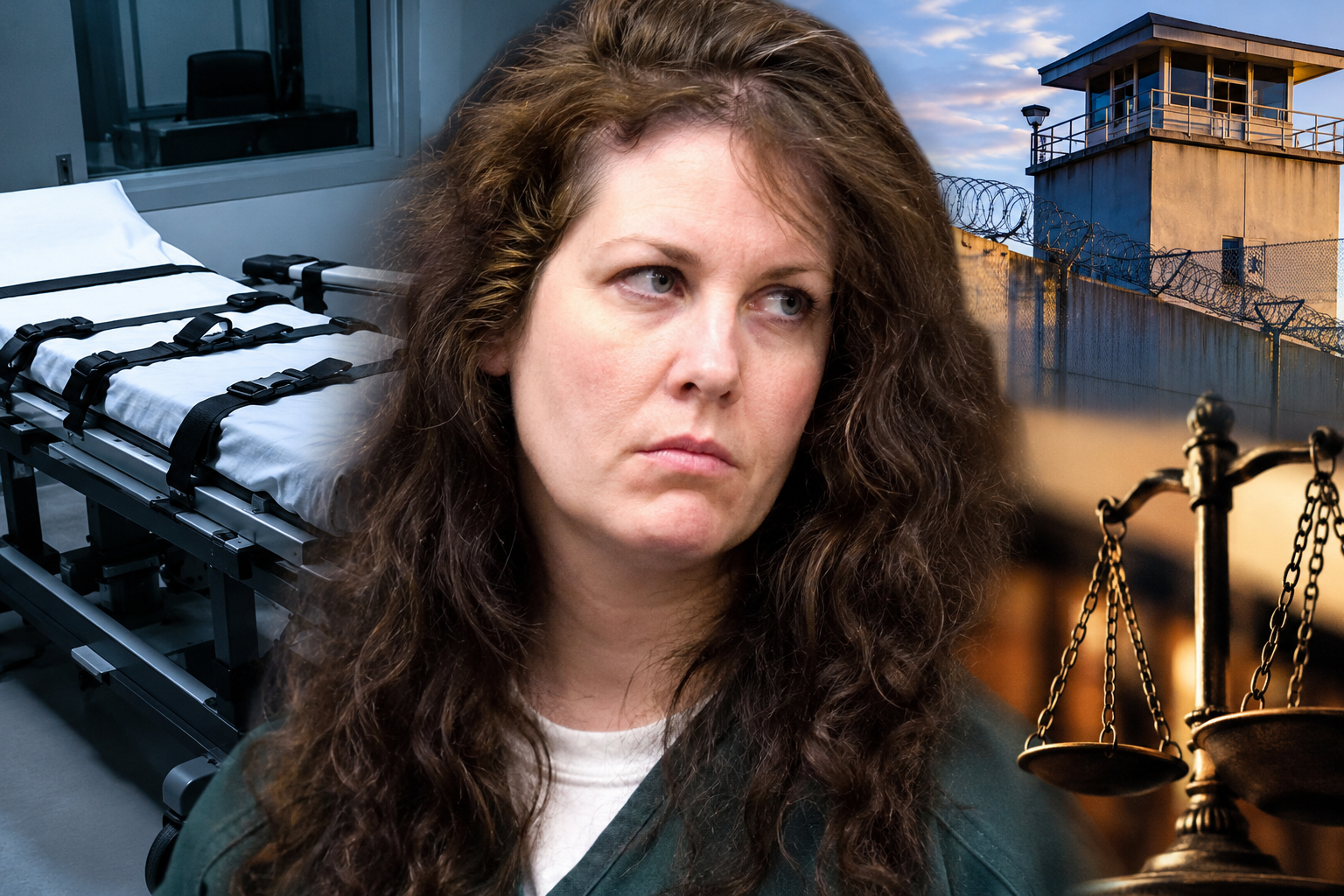
NASHVILLE, Tenn. - Christa Pike, the Tennessee death row inmate who survived a botched lethal injection last month, says she continues to suffer severe physical and emotional pain as questions mount over what went wrong during the state's attempt to execute her.
In her first public statement since the September 30 execution attempt, the 50-year-old described an ongoing struggle with pain, difficulty speaking and uncertainty about her future.
Pike said she had accepted that her life would end on the scheduled execution date and had made no plans for what might come afterward. Instead, she regained consciousness in a hospital, confused and alone.
"There hasn't been a moment since that night when I haven't been in pain. My body hurts. My arms hurt. My hands hurt. My throat hurts. I still struggle to speak," Pike said in a statement released Friday.
She added that the experience has left emotional wounds alongside her physical injuries.
Execution attempt raises serious questions
Pike was scheduled to die by lethal injection on September 30 for the 1995 murder of 19-year-old Colleen Slemmer, a fellow student whom Pike and her boyfriend tortured and killed.
Pike was just 18 years old when the crime occurred. Her conviction and death sentence made her one of the youngest women sentenced to death in the United States.
During the execution attempt, Tennessee officials reportedly administered two doses of pentobarbital, a drug used in lethal injections. Despite the procedure, Pike survived.
According to her attorneys, the failed execution left her arms severely burned and blistered. She spent several days unconscious and required a ventilator while receiving treatment at a hospital.
Medical professionals and lethal injection experts have raised concerns that the medication may not have entered her bloodstream as intended. One possibility under examination is that an intravenous line malfunctioned, allowing the drug to accumulate in surrounding tissue.
The exact cause of the failed procedure remains under investigation.
Pike Blames incompetence for failed execution
In her statement, Pike criticized the handling of the execution, describing the ordeal as a failure that has caused suffering for multiple people.
"I'm deeply hurt by the incompetence that has put so many people in this terrible position," she said.
Despite her criticism, Pike also acknowledged the suffering experienced by Slemmer's family.
"I continue to think about my victim's family and the terrible pain and loss they have endured," she said.
Her remarks come as Tennessee officials face renewed scrutiny over the state's execution procedures and the medical safeguards involved in administering lethal injections.
Governor Orders Investigation as Prison Chief Resigns
Tennessee Gov. Bill Lee has ordered an investigation into the failed execution and postponed another lethal injection that had been scheduled for later this year.
The controversy has also been followed by the resignation of Tennessee's prison chief.
State officials are expected to examine how the execution was conducted, whether established procedures were followed and what circumstances allowed Pike to survive the administration of the drugs.
Meanwhile, Pike's legal team has urged the governor to commute her death sentence to life imprisonment, arguing that the failed execution and resulting injuries warrant reconsideration of her punishment.
Lee, however, has indicated that Pike's original sentence is unlikely to change without further legal action.
"I suspect her sentence will be the same as before unless determined otherwise by the courts," the governor told reporters this week.
Recovery continues inside Tennessee prison
Following her hospitalization, Pike was returned to the Debra K. Johnson Rehabilitation Center, where she remains in the prison infirmary.
Her Friday statement was dictated to members of her legal team because she continues to have difficulty speaking.
Pike expressed gratitude toward the medical professionals who treated her after the failed execution and toward individuals who have offered support during her recovery.
She said she remains uncertain about why she survived or what her future may hold.
"I don't know why I survived that night. I don't know what comes next. Some days, finding hope is harder than others," she said.
Pike added that she is focusing on recovering from her injuries while trying to find comfort in the kindness she has received.
Uncertain future as investigation continues
The failed execution has raised difficult legal and ethical questions about whether Tennessee could attempt to execute Pike again and what protections may apply following an unsuccessful lethal injection.
Her attorneys are seeking a reduction of her sentence, while state officials have not announced a final decision about her future.
For Slemmer's family, the case continues to carry the weight of a violent crime committed more than three decades ago.
For Pike, the immediate concern is recovering from an execution attempt she had expected not to survive.
As Tennessee investigates what happened on September 30, the case is likely to remain a focus of debate over execution procedures, accountability and the future of capital punishment in the state.