This material may not be published, broadcast, rewritten, or redistributed. ©2026 Twincitieslocalnews - local news, local sports

Thursday, November 19, 2026
By MN Newswire staff
Published: November 06, 2026 8:53pm
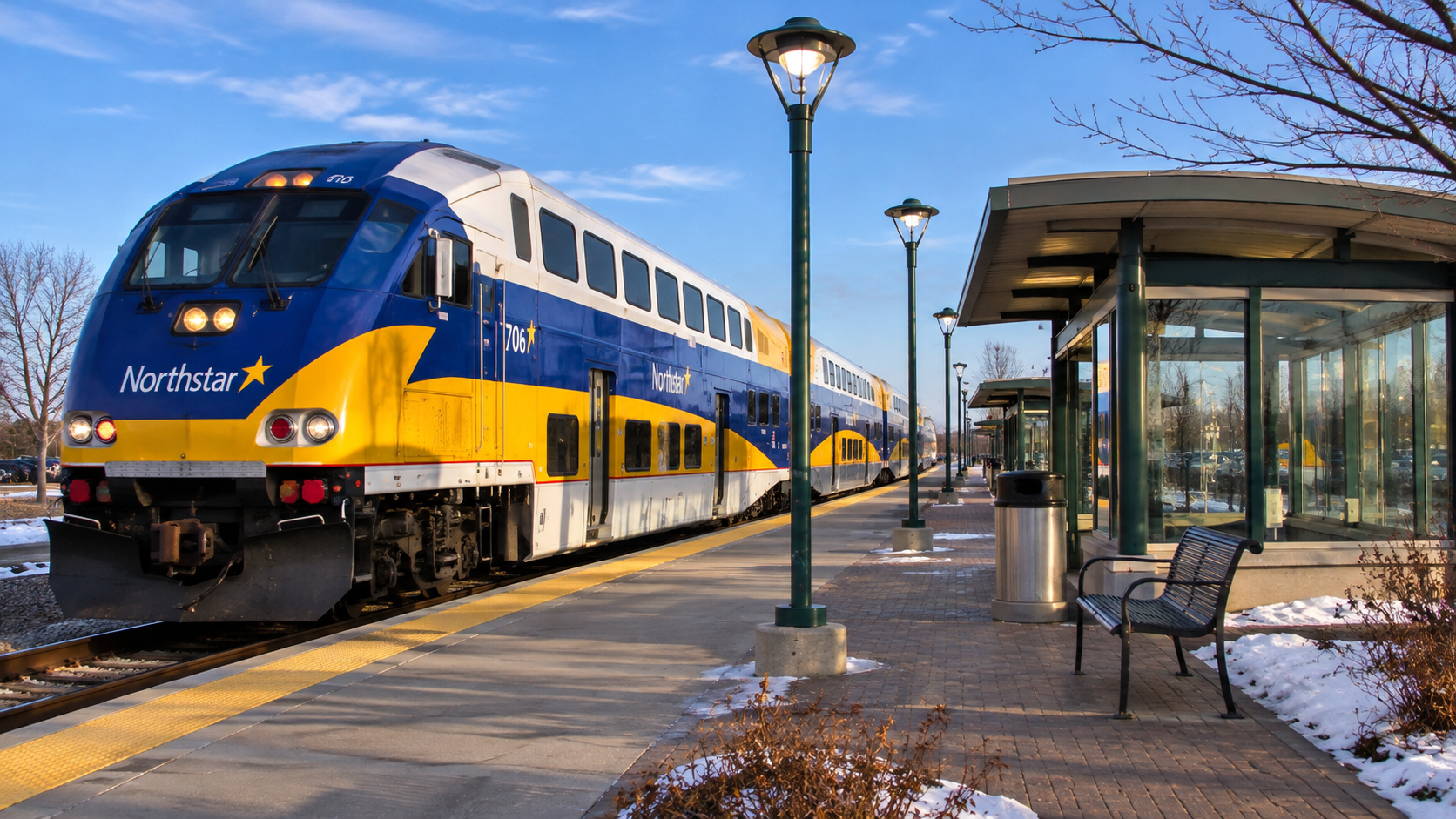
BIG LAKE, Minn. - Nearly a year after Minnesota's Northstar Commuter Rail system carried its final passengers, the former train station in Big Lake remains a reminder of a transportation project that once promised to connect growing communities northwest of Minneapolis with the Twin Cities.
The station, which served as the northern endpoint of the 40-mile commuter rail line, entered a new chapter after Northstar officially ended passenger train operations on January 4, 2026.
For more than 16 years, the station provided residents of Big Lake, Elk River and surrounding communities with an alternative to driving into downtown Minneapolis. Now, questions about the future of the former rail facilities and surrounding property remain part of the broader conversation about transportation and development in the region.
Train service ends after years of declining ridership
Northstar began operating in November 2009, connecting Big Lake with Minneapolis through several northwest metro communities.
The commuter rail system was originally envisioned as part of a larger regional transportation network, with discussions about eventually extending passenger service to St. Cloud.
However, that extension never became reality.
Ridership struggled to meet expectations, and the COVID-19 pandemic caused a dramatic decline in passenger numbers. Although some commuters returned, ridership remained well below its earlier levels.
State and regional transportation officials ultimately determined that operating buses along the corridor would provide a more cost-effective alternative to maintaining commuter rail service.
The final Northstar train arrived in Big Lake on January 4, marking the end of an era for the community.
What happens to the old Big Lake train station?
One of the biggest questions following Northstar's closure involves what will happen to the infrastructure left behind.
The former station includes a passenger platform, parking facilities and other infrastructure originally designed to accommodate commuter rail passengers.
According to minutes from a January 21, 2026, Big Lake City Council meeting, City Administrator Hanna Klimmek discussed the transition away from commuter rail and indicated that changes to the station platform were not expected because it sits within BNSF Railway's mainline right-of-way.
That distinction is important because the station platform is located alongside an active freight railroad corridor, potentially limiting how the property can be repurposed.
As of November 6, no confirmed redevelopment plan for the Big Lake passenger platform has been identified in the publicly available information reviewed for this story.
The station's future could depend on decisions involving property ownership, transportation needs, railroad operations and local development priorities.
New bus service replaces northstar trains
Although passenger trains no longer stop in Big Lake, the community has not lost its direct public transportation connection to Minneapolis.
Metro Transit introduced Route 882 on January 5, 2026, providing express bus service between Big Lake, Elk River and downtown Minneapolis.
The service operates as part of a two-year pilot program developed in cooperation with the Minnesota Department of Transportation.
The route provides three southbound weekday morning trips and three northbound afternoon trips, offering commuters an alternative to the former train service.
Unlike the trains, which operated on a dedicated rail corridor, buses travel along existing roadways and are subject to traffic conditions.
Transportation officials have described the transition as an opportunity to provide service that better matches current ridership demands while reducing operating expenses.
Former station could become part of future development discussions
The end of Northstar service also raises broader questions about how communities along the former rail line will use land and facilities originally dedicated to passenger transportation.
In other cities, discussions have already begun about possible new uses for former Northstar properties.
Anoka, for example, has explored the possibility of converting its former station into an Amtrak stop, while property previously used for commuter parking has been considered for residential development.
No equivalent project has been confirmed for Big Lake.
However, the former station's parking facilities and location near major transportation routes could make the surrounding area a subject of future planning discussions, depending on ownership, zoning and community priorities.
A transportation landmark in Big Lake
For longtime residents, the Northstar station represents more than a place where trains once stopped.
When service began in 2009, the rail line symbolized hopes for stronger connections between smaller communities and the Minneapolis metropolitan area.
Residents could board a train in Big Lake and travel downtown without navigating highway traffic or searching for parking.
The service also provided an option for attending sporting events and other activities in Minneapolis.
Its closure reflects changing transportation patterns across the region, including the challenges of maintaining traditional commuter rail systems as travel habits evolve.
While the station no longer welcomes passenger trains, the railroad tracks remain part of an active freight transportation corridor.
What comes next for Big Lake?
The future of Big Lake's former Northstar station remains unresolved.
The city continues to be served by replacement express buses, but the long-term use of the former rail platform and associated facilities has not been publicly established in the sources reviewed.
Any significant redevelopment would likely require coordination among local officials, transportation agencies, property owners and railroad representatives.
For now, the old Northstar station stands as a reminder of an ambitious regional transportation investment that helped shape Big Lake's connection to the Twin Cities for more than a decade.
Whether the property eventually finds a new purpose or remains largely unchanged, the end of passenger rail service has already marked a significant turning point in the city's transportation history.