This material may not be published, broadcast, rewritten, or redistributed. ©2026 Twincitieslocalnews - local news, local sports

Thursday, November 19, 2026
By MN Newswire staff
Published: November 15, 2026 12:39pm
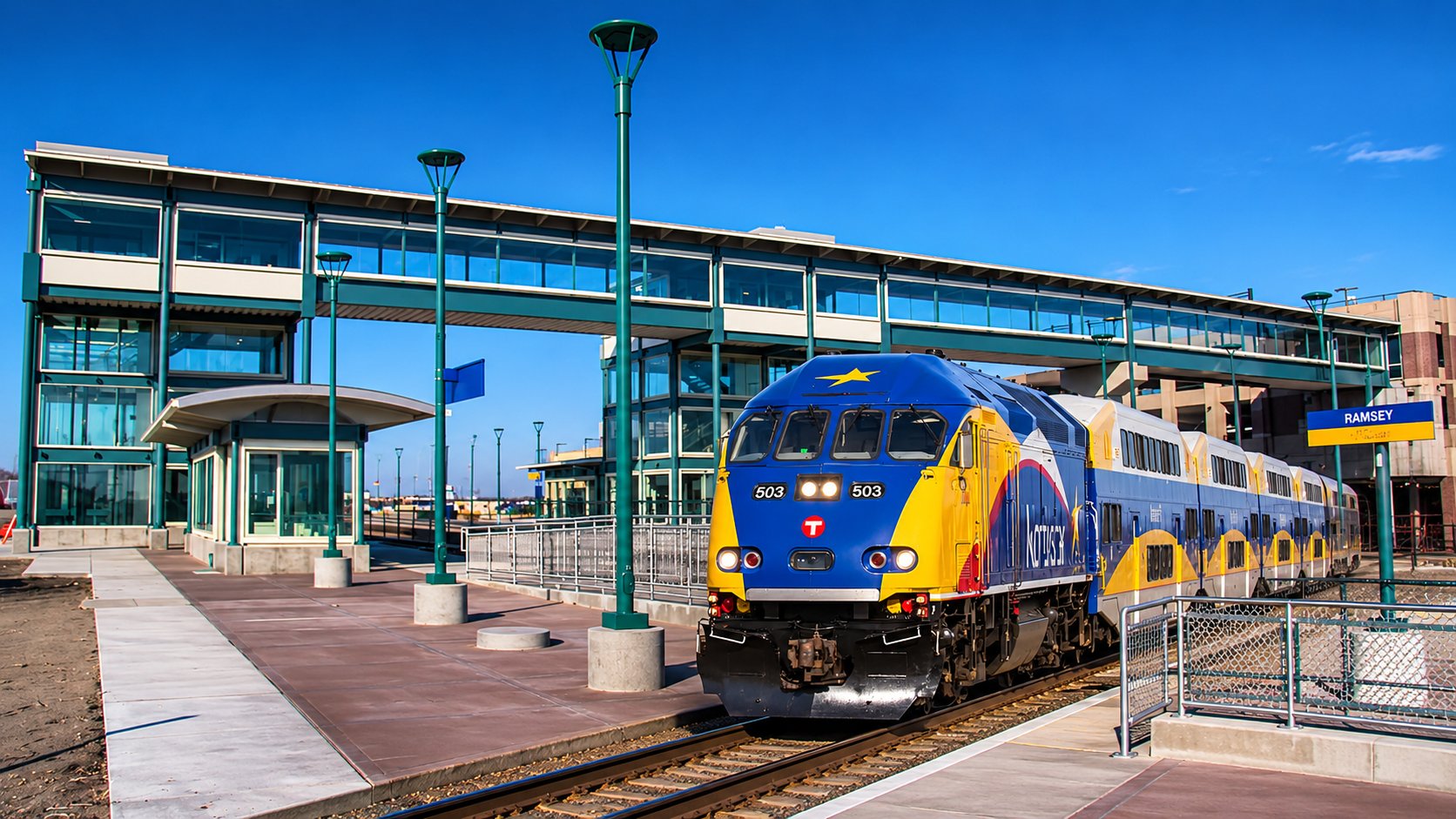
RAMSEY, Minn - The Ramsey Northstar commuter rail station has long provided residents in the northern Twin Cities suburbs with a transportation connection to downtown Minneapolis. However, changes to the Northstar rail system are raising questions about what comes next for the station and the commuters who have relied on it.
Located near the Ramsey COR development along Highway 10, the station was designed to support commuter transportation while encouraging residential and commercial growth in the surrounding area.
For years, the station has offered an alternative to driving on busy highways, particularly for commuters traveling between Anoka County and Minneapolis.
As transportation priorities shift across the region, Ramsey's station represents a larger discussion about the future of suburban transit and how communities can make use of existing transportation infrastructure.
A station built around community growth
The Ramsey Northstar station opened in 2012 as part of efforts to expand access to commuter rail service in the northern metropolitan area.
Unlike some traditional commuter rail stops, Ramsey's station was developed alongside plans for a growing mixed-use community known as Ramsey COR.
The surrounding development was envisioned as a walkable area featuring housing, businesses, public spaces and access to public transportation.
The station also includes parking facilities designed to accommodate commuters who drive from nearby neighborhoods before continuing their trips by train.
Its location near Highway 10 makes it accessible to residents throughout Ramsey and neighboring communities.
Changes to Northstar create new questions
Northstar commuter rail has faced significant challenges in recent years, including changing commuting patterns, operating expenses and ridership levels.
The shift toward remote and hybrid work has also changed how many residents travel to downtown Minneapolis, reducing the traditional demand for weekday commuter transportation.
For Ramsey, the future of the station is closely connected to broader decisions about Northstar service and replacement transportation options.
Any long-term changes could affect how residents travel to Minneapolis, connect with other transit services and access destinations throughout the metropolitan area.
The station's existing infrastructure, including its platforms, parking areas and pedestrian connections, also raises questions about how the property could be used in the future.
Passenger rail service has ended
Northstar commuter rail officially ended passenger operations on January 4, 2026, bringing an end to regular train service at Ramsey and other stations along the corridor.
The following day, Metro Transit introduced expanded bus transportation intended to provide more frequent travel opportunities for residents.
Route 888 now serves Ramsey, Anoka and Coon Rapids, connecting those communities with downtown Minneapolis.
The replacement service includes buses approximately every 30 minutes during weekday peak commuting periods, along with hourly midday service and limited weekend trips.
Metro Transit projected that the redesigned corridor would offer nearly 400 weekly bus trips, compared with approximately 40 weekly train trips before the transition.
What happens to the former Ramsey train station?
Although passenger trains no longer stop at Ramsey, the location remains part of the region's public transportation network through replacement bus service.
The former rail station also presents questions about the long-term use of infrastructure originally built to support commuter trains.
Decisions about station facilities, rail platforms and surrounding property could influence how the site fits into future transportation and development plans.
For the nearby Ramsey COR district, maintaining convenient transit access remains an important consideration as the community continues to develop.
The transition could also influence how residents view the area's transportation options, particularly those who previously preferred traveling by train rather than bus.
No confirmed redevelopment plan for the former Ramsey rail platforms was established in the sources reviewed for this report.
A new chapter for transportation in Ramsey
The end of Northstar passenger rail marks a significant change for Ramsey and other communities that once depended on the service.
While the trains are gone, the demand for reliable transportation between the northern suburbs and Minneapolis remains.
The success of the replacement bus system will depend on whether it meets residents' needs for convenient schedules, dependable connections and accessible transportation.
For Ramsey, the former Northstar station stands as a reminder of an ambitious regional rail project while the surrounding community adjusts to a different future for public transit.
As the northern Twin Cities metropolitan area continues to grow, the station's legacy and the future of its infrastructure will remain part of the broader conversation about transportation investment in Minnesota.