This material may not be published, broadcast, rewritten, or redistributed. ©2026 Twincitieslocalnews - local news, local sports

Thursday, November 19, 2026
By MN Newswire staff
Published: October 03, 2026 10:05am
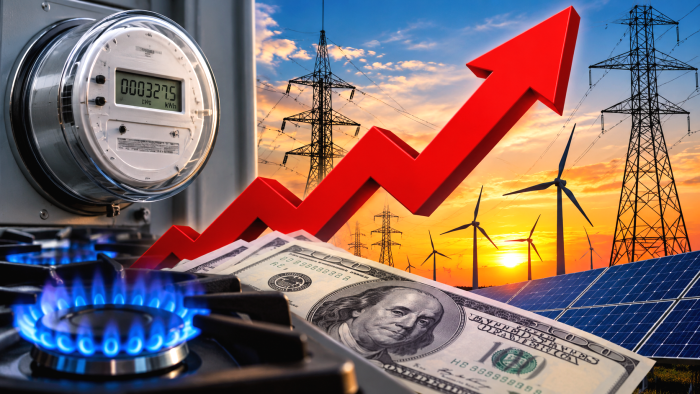
WASHINGTON - American households could pay thousands of dollars more in energy costs over the next 14 years as a result of federal policy changes under President Donald Trump, according to a new analysis released Friday by the nonpartisan think tank Energy Innovation.
The California-based organization estimates that households across the contiguous United States will pay an average of $6,500 in additional energy costs cumulatively through 2040. Residents in five states — Oregon, Mississippi, South Dakota, Virginia and Wyoming — could face increases of approximately $9,000 per household.
The findings suggest that recent changes to federal energy and environmental policies could have long-term financial consequences for American families already dealing with elevated electricity and gasoline prices.
Report links higher energy costs to Federal policy changes
Energy Innovation attributes the projected increases to federal decisions affecting clean energy development, transportation and environmental regulations.
According to the analysis, the Trump administration's efforts to halt new wind, solar and hydrogen projects could increase demand for natural gas used to generate electricity. Meanwhile, the elimination of incentives for fuel-efficient and lower-emission vehicles could increase gasoline consumption.
The organization argues that greater demand for natural gas and gasoline could drive prices higher, ultimately increasing household expenses.
The analysis examined several major federal policy changes, including the sweeping tax and spending legislation known as the One Big Beautiful Bill, which reduced clean energy tax incentives.
Researchers also evaluated environmental regulatory rollbacks, changes to vehicle fuel economy standards, efforts to block California's planned phaseout of new gasoline-powered vehicle sales by 2035, and federal actions restricting renewable energy projects.
The report projects that these combined policy changes will increase annual household energy expenses in every state in the contiguous United States.
Electricity prices already rising nationwide
The report comes as American consumers face increasing electricity costs driven by several economic and infrastructure challenges.
According to the U.S. Energy Information Administration's projections cited in the report, average residential electricity prices are expected to reach 18.6 cents per kilowatt-hour in 2027, compared with 17.3 cents in 2025 and 18.2 cents in 2026.
Energy prices have also increased internationally. The International Energy Agency reported record prices in several major economies between 2022 and 2024 following Russia's invasion of Ukraine.
In the United States, growing electricity demand from data centers, natural gas price volatility, aging infrastructure and extreme weather have contributed to concerns about future energy affordability. The Iran war has also contributed to higher oil and gasoline prices.
Independent research firm Rhodium Group warned in an April analysis that the United States has entered a period of rising electricity prices.
The firm identified several contributing factors, including natural gas price fluctuations, inflation, necessary electrical grid upgrades, storm recovery expenses, wildfire mitigation and changing government policies.
Without significant policy intervention, the firm expects electricity prices to continue increasing over the next five years.
White house defends fossil fuel energy strategy
The White House disputes the argument that the administration's policies will make energy less affordable.
White House spokeswoman Taylor Rogers said lowering electricity prices remains a major administration priority. She argued that expanding coal and natural gas production would improve grid reliability and address problems she attributed to the Biden administration's clean energy policies.
A 2025 Department of Energy report commissioned by Trump warned that continued closures of coal and natural gas power plants could increase the risk of electricity shortages and blackouts.
The conservative Institute for Energy Research has also argued that aggressive renewable energy requirements, restrictions on natural gas infrastructure and the retirement of existing power plants contribute to high electricity prices in some states.
These positions reflect an ongoing disagreement over how the United States should balance electricity affordability, grid reliability, fossil fuel production and renewable energy development.
What the Findings Mean for American Households
The study's $6,500 figure represents additional projected energy spending accumulated through 2040, not an immediate increase in annual household bills.
Actual expenses will vary depending on location, energy consumption, transportation choices, fuel prices and future policy decisions.
The findings add to the national debate over energy affordability as policymakers consider how to meet growing electricity demand while maintaining reliable service and controlling consumer costs.
The estimates are based on economic modeling and remain subject to uncertainty. Future changes in energy markets, technology and federal policies could alter the projected outcomes.