This material may not be published, broadcast, rewritten, or redistributed. ©2026 Twincitieslocalnews - local news, local sports

Sunday, November 22, 2026
By MN Newswire staff
Published: November 22, 2026 10:27am
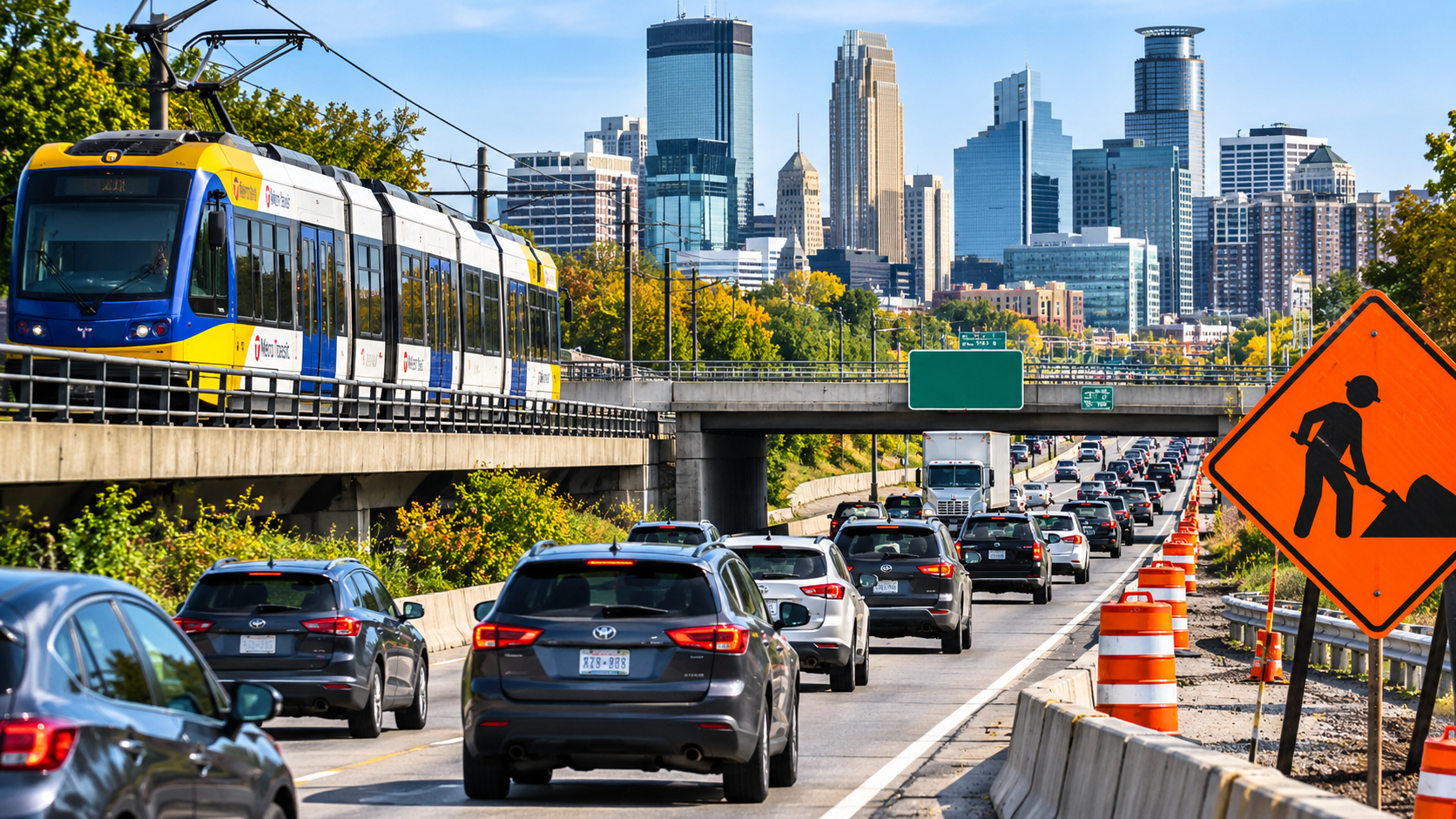
MINNEAPOLIS, Minn - Minnesota's transportation network faces an evolving set of challenges as population changes, aging infrastructure and shifting travel habits influence how residents move throughout the state.
From busy highways in the Twin Cities to rural roads connecting smaller communities, transportation remains an essential part of Minnesota's economy and everyday life. Maintaining reliable travel options while preparing for future demand is becoming an increasingly important issue for communities across the state.
Aging infrastructure remains a major concern
Minnesota's extensive network of highways, bridges and local roads requires ongoing maintenance to remain safe and dependable.
Seasonal temperature changes create additional challenges for transportation infrastructure. Freezing winter conditions, spring thawing and repeated temperature fluctuations can contribute to pavement deterioration, potholes and other roadway damage.
Transportation planners must balance routine maintenance with larger reconstruction projects, particularly in areas where older infrastructure serves growing numbers of motorists.
For smaller communities, the cost of maintaining roads and bridges can be especially challenging because local budgets may have limited flexibility.
Public transportation plays an important role
Public transportation continues to be an important option for residents who depend on buses, light rail and other transit services to reach jobs, schools, medical appointments and businesses.
In the Minneapolis-St. Paul metropolitan area, transit accessibility is closely connected to broader discussions about economic development, housing and transportation affordability.
Reliable service can help residents access employment opportunities without depending entirely on personal vehicles.
However, public transportation systems also face challenges involving operating costs, service coverage and changing commuting patterns.
Communities outside the Twin Cities encounter different obstacles, particularly where longer distances and lower population densities make traditional transit services more difficult to operate.
Growing communities create new transportation needs
As residential and commercial development expands into suburban communities, transportation infrastructure must adapt to changing travel patterns.
New housing developments, shopping centers and business districts can increase demand on existing roads and intersections.
Without coordinated planning, development can contribute to longer travel times and increased congestion during peak commuting periods.
Transportation improvements often require cooperation among city governments, counties, regional planning organizations and state agencies.
Decisions about road capacity, pedestrian access, public transportation and traffic safety can influence how effectively communities accommodate future growth.
Technology could shape the future of travel
Advancements in transportation technology are creating new opportunities to improve efficiency and roadway safety.
Traffic monitoring equipment, connected signals and digital transportation information systems can help agencies identify congestion and respond to changing conditions.
Electric vehicles are also influencing infrastructure discussions as communities consider charging availability and future energy demands.
At the same time, transportation officials must evaluate how new technologies can be integrated into existing systems without creating unnecessary costs or reducing accessibility.
Balancing safety, affordability and long-term growth
Transportation investments affect more than travel times. Reliable infrastructure supports businesses, emergency services, freight movement and access to essential community resources.
For Minnesota residents, transportation affordability remains another consideration as vehicle ownership, fuel, maintenance and commuting expenses contribute to household budgets.
Improving road conditions, expanding transportation choices and addressing safety concerns can help communities remain connected while supporting economic activity.
As Minnesota looks toward the coming years, the challenge will be finding a balance between maintaining existing infrastructure and investing in transportation improvements that meet changing community needs.