This material may not be published, broadcast, rewritten, or redistributed. ©2026 Twincitieslocalnews - local news, local sports

Thursday, November 19, 2026
By MN Newswire staff
Published: October 01, 2026 8:24pm
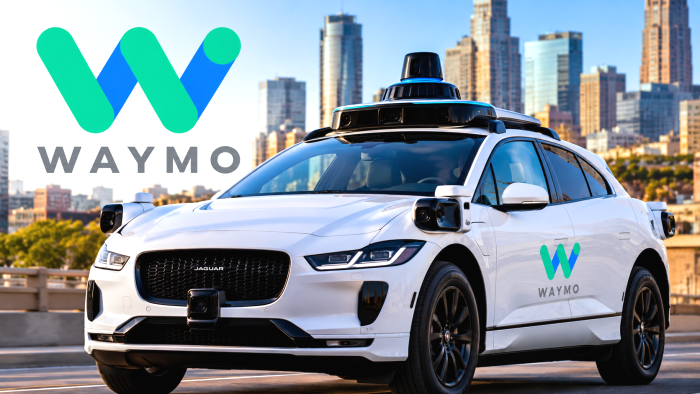
MINNEAPOLIS, Minn. - The Minneapolis City Council voted Thursday to approve an ordinance requiring driverless rideshare vehicles to have a licensed human safety monitor inside while operating within city limits, a move that could significantly affect the future of autonomous transportation in Minneapolis.
The measure passed by a narrow 7-6 vote and would require companies operating autonomous rideshare vehicles to obtain a city-issued license. Under the ordinance, a human safety monitor with a valid driver's license would be required to remain inside the vehicle and have immediate access to steering, braking and acceleration controls.
The safety monitor would also be entitled to minimum wage.
If implemented, the ordinance would make Minneapolis the first city in the United States to require a human driver inside autonomous rideshare vehicles, commonly known as robotaxis.
Council divided over worker protections and innovation
Supporters of the ordinance argue that regulations are necessary to protect rideshare workers as autonomous vehicle technology continues to develop.
Council Member Robin Wonsley defended the proposal ahead of Thursday's vote, emphasizing that the regulations are intended to establish consistent standards rather than target individual companies.
"This policy seeks to set a standardized set of policies that protect our workers. It's not passed for a specific company," Wonsley said. "It aims to set a threshold of expectations of what is needed to protect our workers. This is a starting place."
Opponents questioned whether the city was moving too quickly without fully examining the potential consequences.
Council Member Elizabeth Shaffer criticized the proposal, arguing that Minneapolis should wait for additional research before implementing restrictions that could affect transportation options.
Shaffer also raised concerns about limiting transportation choices for residents, including people with disabilities who could benefit from autonomous vehicles.
The debate reflects broader disagreements over the expansion of driverless technology. Supporters of autonomous vehicles argue that the technology could improve roadway safety, reduce crashes and provide additional transportation options while potentially reducing incidents of discrimination and assault.
Critics, however, have raised concerns about the potential displacement of rideshare drivers and other workers as autonomous transportation becomes more widespread.
Waymo sas already been mapping Minneapolis streets
Autonomous vehicle company Waymo has maintained a presence on Minneapolis streets for several months, using its vehicles to map local roads in preparation for a potential expansion of its driverless rideshare services.
The newly approved ordinance could create additional requirements for companies considering launching autonomous rideshare operations in Minneapolis.
The council's action also follows previous efforts to regulate the rideshare industry. Minneapolis lawmakers previously pushed for stronger driver compensation protections, contributing to a statewide agreement establishing minimum pay standards for Uber and Lyft drivers.
Mayor Jacob Frey Announces Plans to Veto Ordinance
Despite the council's approval, the measure faces an uncertain future.
Minneapolis Mayor Jacob Frey has announced plans to veto the ordinance, arguing that requiring a human driver inside a driverless vehicle undermines the purpose of autonomous transportation.
"Requiring a driver in a driverless car doesn't make sense," Frey said in a statement.
"Minneapolis is open for business, open to innovative technology, and open to a variety of transportation options. Thoughtful regulation for safety is necessary, but not through a backdoor ban."
Frey's opposition sets up another potential confrontation between the mayor and City Council over transportation policy and the regulation of emerging technologies.
The council would need sufficient votes to override a mayoral veto for the ordinance to become law.
For now, the future of driverless rideshare services in Minneapolis remains uncertain as city leaders debate how to balance technological innovation, transportation accessibility, public safety and worker protections.