This material may not be published, broadcast, rewritten, or redistributed. ©2026 Twincitieslocalnews - local news, local sports
Thursday, November 19, 2026
By MN Newswire staff
Published: October 18, 2026 1:52pm
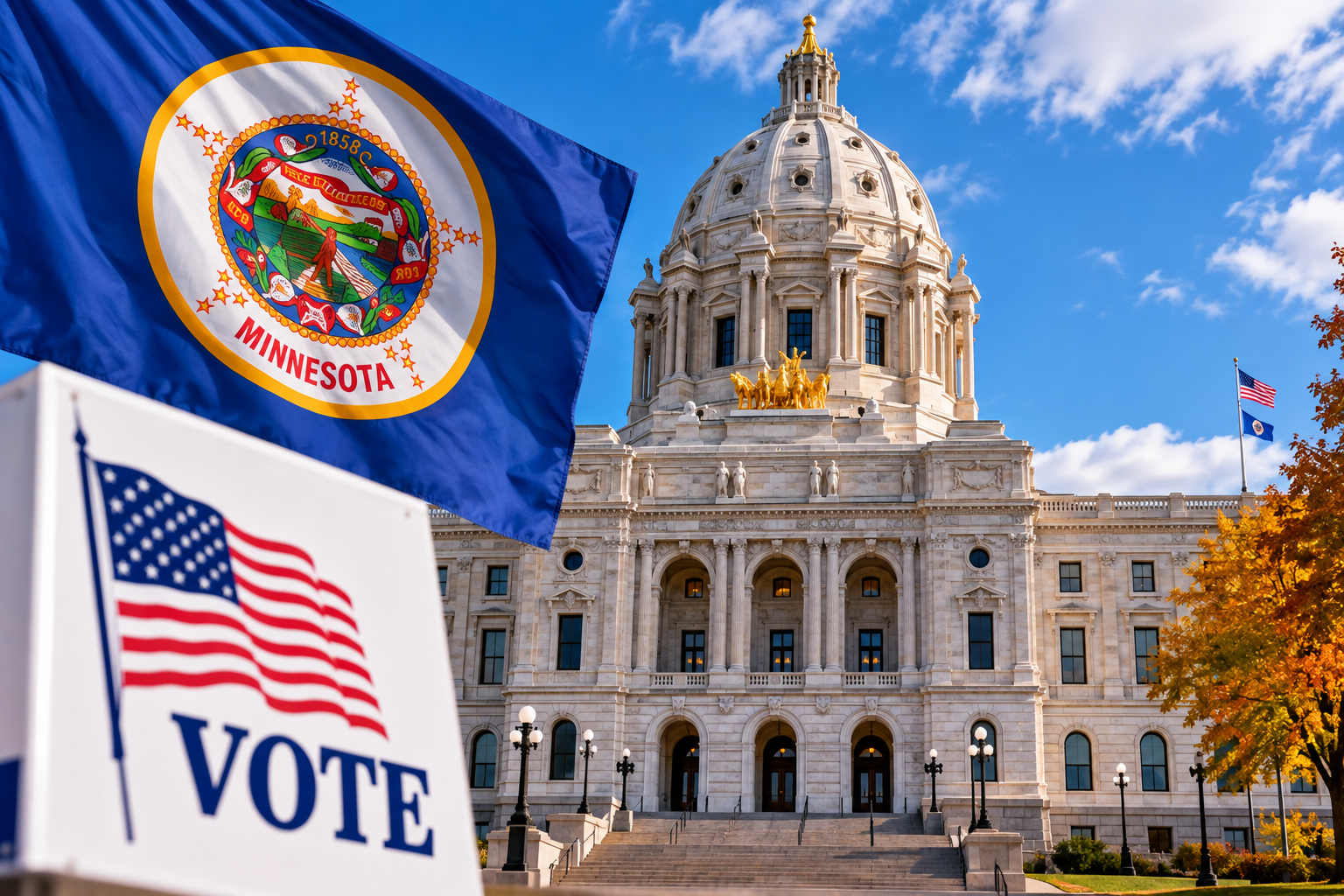
ST. PAUL, Minn. - Minnesota's political future could be decided by a small number of closely contested legislative races as Democrats and Republicans compete for control of the State Capitol ahead of the November 3 general election.
With every seat in the Minnesota House and Senate on the ballot, the outcome could determine the direction of state policies involving taxes, education, public safety, government spending and economic development.
The Minnesota House currently has 67 Republican members and 66 Democrats following a Republican resignation that ended an evenly divided chamber. Meanwhile, Democrats hold a narrow one-seat majority in the Senate, leaving both chambers within reach of either party.
State spending and government accountability take center stage
Government spending and accountability have become major issues in Minnesota's political debate.
Republican lawmakers have emphasized reducing government expenditures, strengthening oversight of taxpayer-funded programs and addressing fraud involving public resources.
Democrats have focused on protecting public services, maintaining investments in education and addressing the financial challenges facing Minnesota families.
The differences could have significant consequences for the state's next budget, particularly as lawmakers consider how to balance spending priorities with long-term financial stability.
Public Safety and Education Remain Major Issues
Public safety is another area where Minnesota's political parties have outlined competing approaches.
Republicans have emphasized stronger law enforcement support and tougher consequences for criminal offenses. Democrats have also proposed public safety measures while placing attention on prevention and other approaches to reducing violence.
Education funding remains a major policy question. Public schools account for a substantial portion of Minnesota's state budget, making decisions about school funding particularly important for communities throughout the state.
Closely Contested Districts Could Determine Political Control
Political competition is particularly significant in suburban communities and parts of Greater Minnesota, where voters have historically supported candidates from both major parties.
The St. Cloud area is among the regions receiving attention because previous legislative elections have produced narrow margins. A small shift in voter support could influence which party controls the Legislature.
Control of the House and Senate matters because lawmakers must negotiate legislation and state spending measures before they can become law.
A divided Legislature could require additional bipartisan agreements, while one party controlling both chambers could make it easier to advance its legislative priorities.
Minnesota's Political Direction Remains Uncertain
As the November election approaches, both parties face the challenge of persuading voters that their policies offer the best path forward for Minnesota.
For residents, the stakes extend beyond political control. Decisions made by the next Legislature could influence household costs, school resources, public safety programs and the services provided by state and local governments.
With narrow margins separating the parties, even a handful of legislative victories could reshape Minnesota's political landscape.
The November 3 election will determine which lawmakers have the opportunity to shape those decisions when the next Legislature convenes.