This material may not be published, broadcast, rewritten, or redistributed. ©2026 Twincitieslocalnews - local news, local sports

Thursday, November 19, 2026
By MN Newswire staff
Published: November 18, 2026 7:40pm
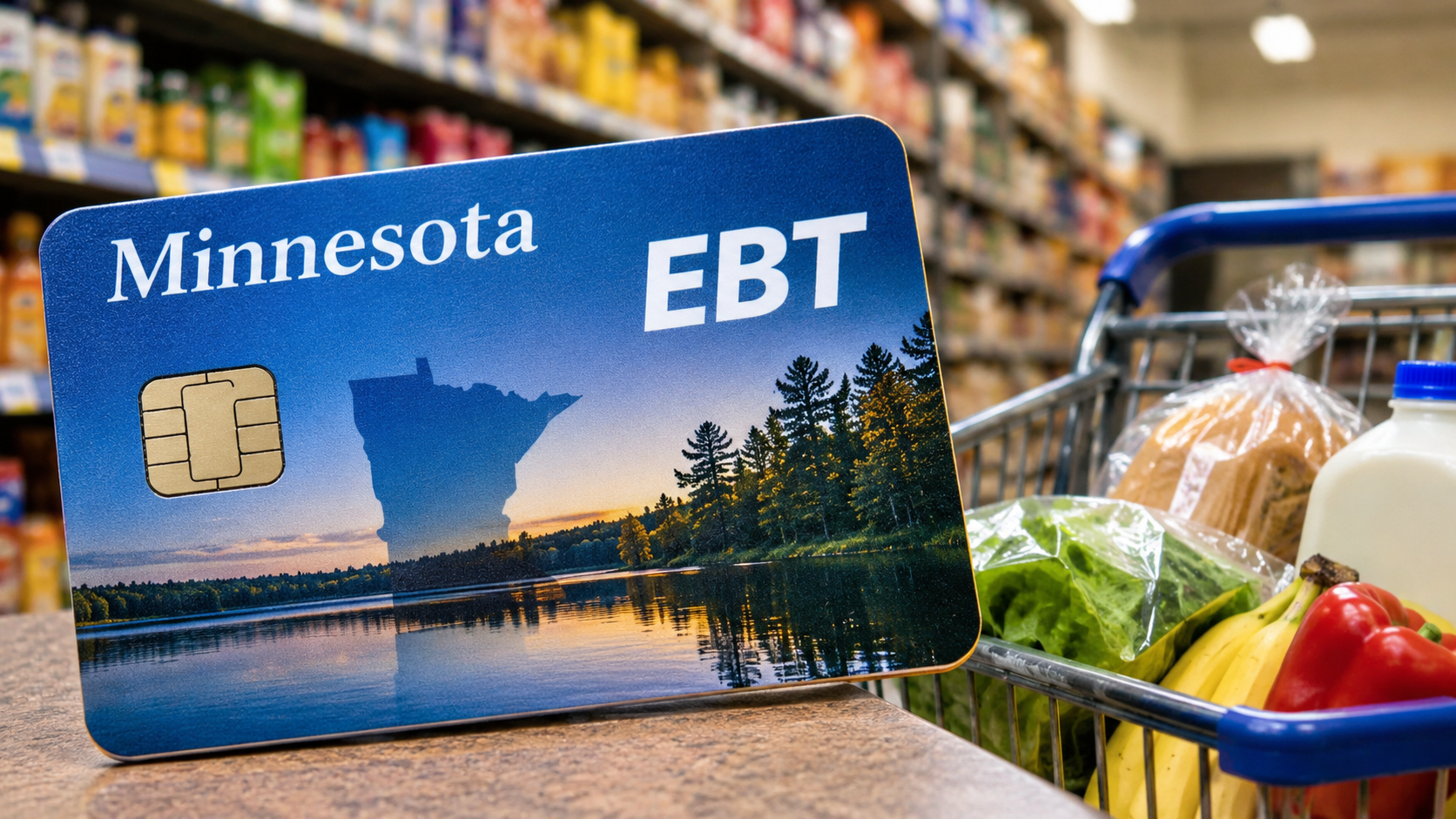
ST. PAUL, Minn - Questions surrounding the use of Minnesota-issued Electronic Benefit Transfer (EBT) cards outside the state have prompted renewed discussions about how public assistance benefits are monitored, why transactions occur across state lines and what safeguards are in place to prevent fraud.
State officials have outlined several legitimate reasons why EBT cards issued to Minnesota residents may be used in other states, emphasizing that out-of-state transactions do not automatically indicate fraudulent activity.
The issue has raised questions about accountability and oversight of taxpayer-funded assistance programs, particularly as Minnesota continues to face scrutiny over the administration of public benefits.
Why Minnesota EBT cards may be used outside the state
EBT cards allow eligible households to access benefits through programs such as the Supplemental Nutrition Assistance Program (SNAP), which helps low-income individuals and families purchase groceries.
Although benefits are issued by individual states, SNAP operates under federal rules that generally allow recipients to use their cards at authorized retailers nationwide.
There are several circumstances in which Minnesota residents may legitimately use their benefits outside the state.
Residents who travel for family emergencies, medical appointments, temporary employment or other personal reasons may continue using their Minnesota-issued EBT cards while away from home.
College students, individuals experiencing housing instability and families temporarily staying with relatives in another state may also have legitimate reasons for making purchases outside Minnesota.
Additionally, residents living near state borders may routinely shop in neighboring states, including Wisconsin, Iowa, North Dakota and South Dakota.
For these households, crossing state lines to purchase groceries may be more convenient than traveling to a store within Minnesota.
Concerns about fraud and program oversight
Despite these explanations, questions remain about how state agencies distinguish legitimate out-of-state purchases from potentially suspicious activity.
Public assistance programs rely on eligibility requirements, reporting obligations and transaction monitoring to ensure benefits reach qualified recipients.
An EBT card being used outside Minnesota does not necessarily mean the cardholder has moved permanently or is receiving benefits improperly.
However, repeated transactions in distant locations, unusual spending patterns or other inconsistencies could warrant additional review when combined with other indicators.
Fraud concerns may also involve stolen EBT card information, unauthorized transactions or individuals failing to report changes in residency that could affect their eligibility.
Determining whether fraud has occurred requires examining the circumstances surrounding transactions rather than relying solely on their geographic location.
Federal rules allow benefits to cross state lines
SNAP is administered through a partnership between the federal government and individual states.
The U.S. Department of Agriculture oversees federal SNAP requirements, while state agencies determine eligibility and manage benefit distribution.
Under federal program rules, SNAP recipients generally can use their benefits at authorized retailers throughout the United States.
This nationwide system is designed to ensure eligible households maintain access to food when traveling or temporarily staying outside their home state.
However, recipients must continue meeting applicable eligibility requirements and report changes when required, including changes involving household circumstances or residency.
Federal rules also provide procedures for states to identify and address situations in which benefit usage patterns suggest a household may no longer reside in the state issuing the assistance.
Calls for greater transparency
The discussion surrounding out-of-state EBT transactions highlights a broader challenge for public assistance agencies: balancing fraud prevention with the need to ensure eligible residents can access essential benefits.
Critics of public assistance oversight have questioned whether existing monitoring systems are sufficient to identify improper payments and prevent misuse.
At the same time, advocates for benefit recipients caution that legitimate travel and shopping activity should not automatically be treated as evidence of wrongdoing.
Greater transparency about transaction monitoring, eligibility reviews and fraud investigations could help clarify how Minnesota identifies potential misuse while protecting households that follow program rules.
Important questions include how frequently out-of-state transactions trigger reviews, what additional evidence is required before an investigation begins and how agencies verify whether recipients continue meeting residency requirements.
What happens next?
As concerns about public assistance spending continue, Minnesota's handling of EBT transactions is likely to remain part of the broader conversation about government accountability and benefit program integrity.
The central issue is not simply whether Minnesota-issued cards are being used in other states, but whether safeguards are effective at identifying improper activity without disrupting assistance for eligible households.
For Minnesota families who depend on SNAP, the ability to purchase groceries while traveling remains an important feature of the program.
For taxpayers and policymakers, the focus remains on ensuring public resources are properly administered and that potential fraud is identified through reliable evidence.
Ultimately, out-of-state EBT activity alone does not establish wrongdoing. Understanding the reasons behind those transactions, along with the systems used to monitor them, is essential to evaluating the effectiveness of Minnesota's public assistance oversight.