This material may not be published, broadcast, rewritten, or redistributed. ©2026 Twincitieslocalnews - local news, local sports

Thursday, November 19, 2026
By MN Newswire staff
Published: November 15, 2026 9:46am
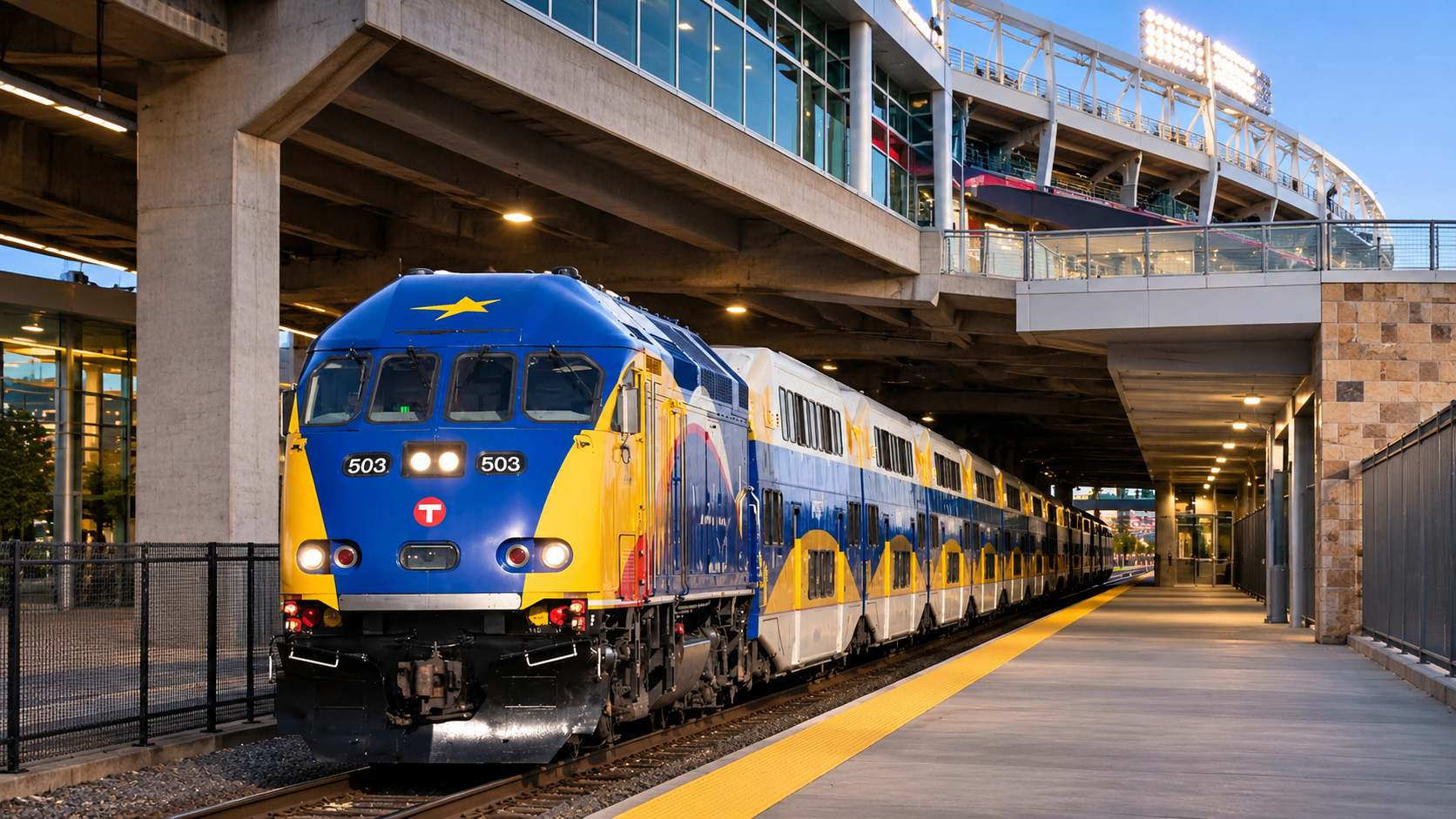
MINNEAPOLIS, Minn - Target Field Station, a major transportation hub in downtown Minneapolis, is entering a new chapter as the Twin Cities region adjusts to the end of Northstar commuter rail service.
Located near Target Field, home of the Minnesota Twins, the station has long served as a connection point for commuters, sports fans and visitors traveling between downtown Minneapolis and communities across the northern suburbs.
For years, Northstar commuter trains provided a rail connection between Minneapolis and Big Lake, with stops in communities including Fridley, Coon Rapids, Anoka, Ramsey and Elk River. The service offered an alternative to driving along busy highways, particularly for commuters heading into downtown Minneapolis.
With Northstar service discontinued, attention is shifting toward the future of the station's commuter rail facilities and how regional transportation connections will continue to serve residents.
A transportation hub beyond Northstar
Although Northstar played an important role in Target Field Station's history, the facility is more than a commuter rail stop.
The station also serves METRO light rail passengers, connecting downtown Minneapolis with destinations throughout the Twin Cities. Its location near Target Field and the Warehouse District makes it an important access point for sporting events, entertainment and downtown businesses.
The surrounding transportation network allows passengers to transfer between light rail, buses and other travel options without relying entirely on personal vehicles.
That role remains important as Minneapolis continues working to maintain access to downtown destinations and encourage public transportation use.
Changes for northern suburban commuters
The end of Northstar rail service represents a significant change for residents who previously relied on trains to reach Minneapolis.
Communities along the former route have historically depended on a combination of commuter rail, express buses and highway connections to reach the metropolitan area's employment centers.
Without the train, former riders must consider other transportation options, including bus services and personal vehicles.
The transition also raises broader questions about how public transportation agencies can best serve growing suburban communities while managing operating costs and changing travel patterns.
What happens to the station's rail infrastructure?
One of the questions surrounding Target Field Station is the long-term future of infrastructure previously used by Northstar trains.
The commuter rail platforms and associated facilities represent a substantial public investment. Determining how those assets might be maintained, repurposed or incorporated into future transportation plans could become an important consideration for regional officials.
Any significant changes would require planning, funding and coordination among the agencies responsible for transportation infrastructure.
For now, Target Field Station's broader role as a downtown transit connection remains separate from the discontinued commuter rail service.
Looking toward the future
Target Field Station remains a recognizable part of Minneapolis' transportation network, particularly during Minnesota Twins games and other major downtown events.
As the region evaluates future transit needs, the station illustrates the challenges of balancing transportation investments, ridership demand and long-term accessibility.
The end of Northstar service marks a major transition, but it does not eliminate the station's importance to downtown Minneapolis.
Instead, it creates a new question for transportation planners: how can existing infrastructure continue providing value as the way people travel across the Twin Cities changes?
New bus routes replace commuter trains
Metro Transit's replacement bus network began operating January 5, 2026, one day after Northstar's final service.
The new network includes Route 827 between Fridley and downtown Minneapolis, Route 888 serving Coon Rapids, Anoka and Ramsey, and Route 882 connecting Big Lake and Elk River with downtown Minneapolis.
According to the City of Anoka's published transition information, the replacement plan increased scheduled trips along the corridor from approximately 40 weekly train trips to nearly 400 weekly bus trips.
Future of former Northstar platforms remains uncertain
In January 2026, Metro Transit Chief Operating Officer Brian Funk said the agency planned to work with the Minnesota Department of Transportation and BNSF Railway to evaluate which parts of the former Northstar infrastructure could be repurposed.
The station's location next to Target Field was identified as an important reason to preserve the property in the short term.
No finalized redevelopment plan for the former Target Field Northstar platforms was established in the sources reviewed for this article.
For Minneapolis and the northern suburbs, the station's future remains part of a larger conversation about transportation, public investment and how existing rail facilities might serve future generations.