This material may not be published, broadcast, rewritten, or redistributed. ©2026 Twincitieslocalnews - local news, local sports

Thursday, November 19, 2026
By MN Newswire staff
Published: October 15, 2026 11:47am
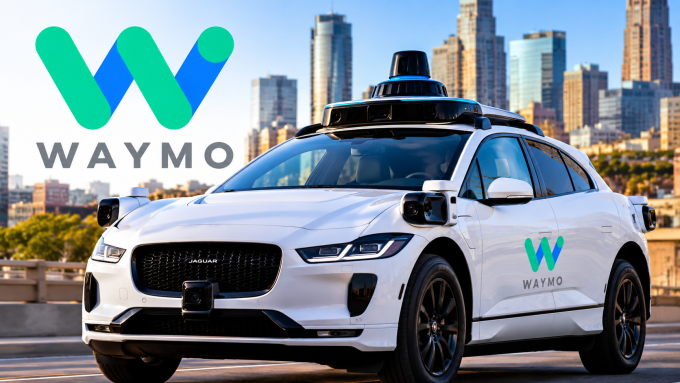
MINNEAPOLIS, MN - A Minneapolis City Council effort to impose new restrictions on self-driving vehicles has come to a halt after council members failed Thursday to overturn Mayor Jacob Frey’s veto of an ordinance that would have required human drivers inside commercial autonomous vehicles.
The council voted 7-5 in favor of overriding the veto, but the effort fell short of the nine votes required to reverse the mayor’s decision.
The proposal, known as the “Workers Drive Minneapolis” ordinance, was originally approved by the council on October 1 in a narrow 7-6 vote. Frey vetoed the measure the following day, arguing that the restrictions would effectively prevent autonomous vehicle companies from operating in Minneapolis.
The ordinance would have required companies offering commercial self-driving transportation services, including Waymo, Tesla and Zoox, to obtain a city license before operating. It also would have required a human to remain in the driver’s seat while autonomous vehicles were in service.
Supporters argued that the regulations were necessary to protect the livelihoods of thousands of rideshare drivers who could face growing competition from driverless transportation services.
Several council members expressed concerns about the potential economic impact on workers who depend on driving for their income, particularly immigrants and communities of color who make up a significant portion of the local rideshare workforce.
Supporters also viewed the proposed licensing requirements as a way to establish local oversight as autonomous vehicle technology continues to expand into major metropolitan areas.
However, the ordinance faced opposition from autonomous vehicle companies and others who argued that requiring a human driver would undermine the purpose of driverless transportation.
Waymo was among the companies opposing the measure, warning that the requirements could increase transportation costs for passengers and discourage autonomous vehicle operators from entering the Minneapolis market.
Frey characterized the legislation as a “back door ban,” suggesting that the human-driver requirement would make commercial autonomous vehicle operations impractical.
Thursday’s failed override leaves the mayor’s veto in place, preventing the ordinance from becoming law.
The decision highlights an ongoing debate over how cities should balance emerging transportation technology with concerns about employment, public safety and economic opportunity.
As autonomous vehicle companies explore expansion into additional cities, local governments are facing questions about how to regulate driverless transportation while addressing the concerns of workers whose jobs could be affected.
For Minneapolis, the failed override means the proposed city licensing and human-driver requirements will not take effect under this ordinance.
The debate over autonomous vehicles is unlikely to disappear, however, as city leaders continue to confront the challenges of introducing new transportation technology while protecting existing workers and maintaining access to affordable rideshare services.