This material may not be published, broadcast, rewritten, or redistributed. ©2026 Twincitieslocalnews - local news, local sports

Thursday, November 19, 2026
By MN Newswire staff
Published: November 08, 2026 9:32pm
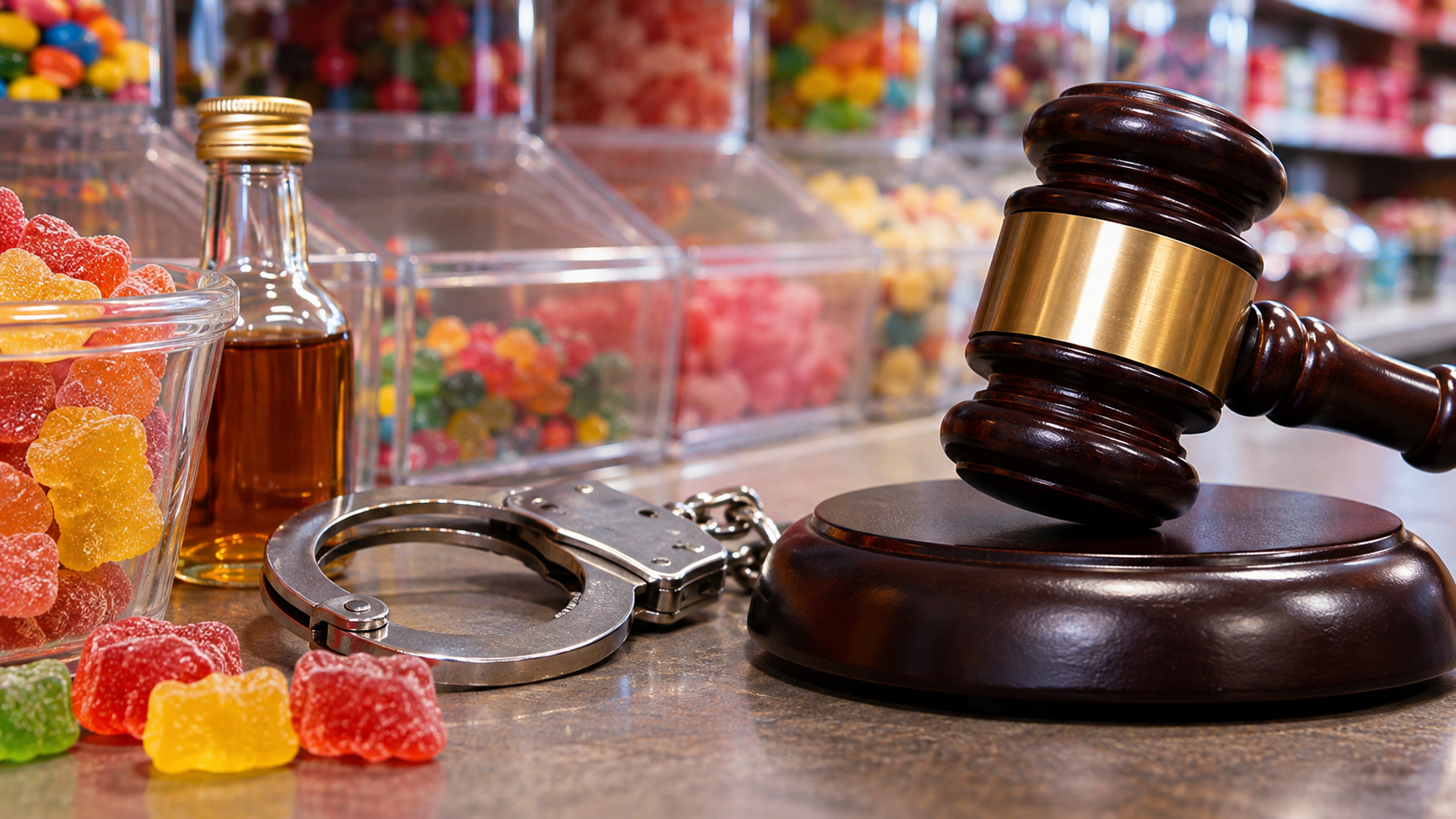
JORDAN, Minn. - A popular candy store in Jordan, Minnesota, is facing scrutiny after an investigation into allegations that alcohol-infused candy was sold at the business, including a reported sale to a minor without an identification check.
The investigation began in early July when the Minnesota Department of Public Safety's Alcohol and Gambling Enforcement Division received an anonymous complaint alleging that the store was selling candy containing liquor.
According to the complaint, the business had allegedly sold alcohol-infused candy to a child without verifying the child's age, raising concerns about whether customers, particularly younger shoppers, were aware that some products contained alcohol.
The allegations have now led to a criminal charge against Wagner, a Belle Plaine resident associated with the business.
Wagner faces a gross misdemeanor charge of selling liquor without a license. If convicted, he could face up to 364 days in jail and a fine of up to $3,000.
The case has also raised questions among customers about the responsibility of candy retailers to understand the products they sell and ensure that potentially age-restricted items are not accessible to children.
Customer Liam McSteen expressed concern about the situation, saying, "I feel like that is something you should know as someone who runs a candy store."
Another customer, Eva Jackson, pointed to the potential confusion for younger shoppers who may assume that everything available inside a candy store is suitable for children.
"Kids may not even know that that's what they're picking up," Jackson said. "It's a candy store. They think everything is safe to eat."
The allegations highlight broader concerns surrounding alcohol-infused sweets, which can resemble traditional candy despite containing ingredients that may make them subject to alcohol regulations.
In Minnesota, businesses selling alcoholic products are generally required to comply with applicable licensing laws and restrictions intended to prevent unauthorized alcohol sales and access by minors.
For families visiting candy shops, the situation underscores the importance of clear product labeling and appropriate safeguards when products containing alcohol are offered for sale.
The criminal charge remains an allegation, and Wagner is presumed innocent unless proven guilty in court.
The case brings renewed attention to how specialty candy products are marketed and sold, particularly in businesses that attract families and children throughout the year.