This material may not be published, broadcast, rewritten, or redistributed. ©2026 Twincitieslocalnews - local news, local sports
Thursday, November 19, 2026
By MN Newswire staff
Published: October 29, 2026 7:59pm
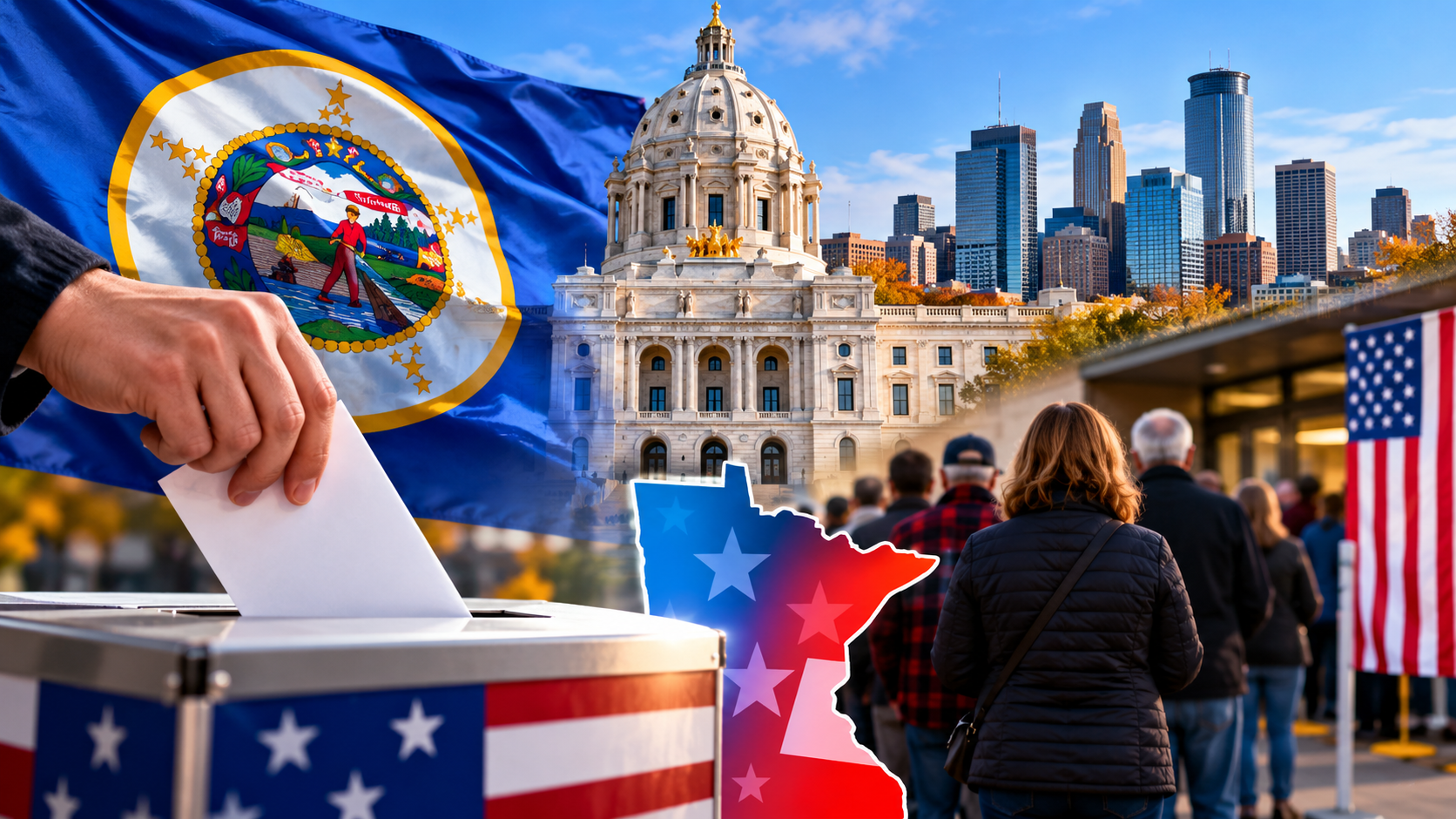
MINNEAPOLIS, MN - Minnesota's political landscape is heating up as candidates from both major parties make their final push to win over voters ahead of the November 3 midterm election. With control of key state offices, legislative seats, and congressional districts at stake, the election could significantly reshape Minnesota's political future.
Early voting has already reached a historic milestone, with Minnesota breaking its previous record for ballots cast early in a midterm election, according to reporting published Thursday. The surge comes as campaigns increase their advertising, public appearances, and voter outreach efforts across the state.
Governor's Race Draws Statewide Attention
One of the most closely watched contests is the race to replace Democratic-Farmer-Labor Governor Tim Walz.
Democratic U.S. Senator Amy Klobuchar and Republican Lisa Demuth are competing for the governor's office, with voters weighing competing visions for Minnesota's economy, public safety, government accountability, and future spending priorities.
The election comes amid growing debate over the affordability of everyday necessities, allegations of fraud involving state-funded programs, and Minnesota's relationship with the Trump administration.
The winner will inherit responsibility for negotiating future state budgets, working with lawmakers, and determining whether legislation approved by the Minnesota Legislature becomes law.
U.S. Senate Race Could Influence Washington
Minnesota voters are also preparing to select a replacement for retiring Democratic Senator Tina Smith.
DFL candidate Peggy Flanagan, Minnesota's lieutenant governor, is facing Republican Michele Tafoya in a contest attracting statewide and national attention.
A New York Times/Siena College poll reported Thursday showed Flanagan leading Tafoya by 14 percentage points, although other surveys have indicated a closer contest.
Both candidates have been meeting with voters and emphasizing issues they believe will influence undecided residents, including economic concerns, immigration, and government accountability.
Political Spending Surges Across Minnesota
Political spending is another defining feature of this year's election.
More than $55 million has flowed into Minnesota's governor and attorney general races, according to campaign finance reporting earlier this week.
Meanwhile, southern Minnesota's First Congressional District has emerged as a major battleground, where Republican Congressman Brad Finstad faces Democratic challenger Jake Johnson.
Spending associated with that congressional contest has surpassed $11 million, reflecting the national significance of competitive House districts.
The outcome could help determine whether Republicans maintain control of the U.S. House of Representatives or Democrats gain enough seats to take the majority.
Control of Minnesota Legislature Remains Uncertain
Beyond statewide and federal races, voters will decide which political party controls the Minnesota Legislature.
All 67 Minnesota Senate seats are on the ballot, with Democrats entering the election holding a narrow one-seat majority.
Competitive suburban districts could play an especially important role in determining the balance of power.
The results could influence future decisions involving education funding, transportation projects, business regulations, public safety, and state taxes.
With political divisions remaining sharp, either party could face significant challenges advancing its legislative agenda without cooperation from the opposition.
Both Parties Intensify Efforts to Reach Voters
Democratic and Republican organizations are expanding their efforts to encourage supporters to cast ballots before Election Day.
Campaign volunteers have been knocking on doors, contacting voters by telephone, organizing public events, and coordinating transportation and outreach activities.
Minnesota's DFL Party reported that its volunteers had knocked on more than two million doors, while conservative organizations have invested heavily in outreach targeting competitive legislative districts.
These efforts highlight the importance campaigns are placing on voter turnout, particularly in closely contested communities where relatively small shifts in participation could change election outcomes.
What Minnesota Voters Should Watch
As Election Day approaches, several major questions remain unanswered.
Will Minnesota voters continue supporting Democrats in statewide elections, or will Republicans capitalize on concerns about government spending, fraud, and affordability?
Will suburban voters determine control of the state Senate? And could competitive congressional races in Minnesota contribute to a broader shift in Washington?
Those questions will begin to be answered when polls close on Tuesday, November 3.
For Minnesota residents, the stakes extend beyond which political party wins. The election will help determine how state leaders address economic challenges, government oversight, infrastructure needs, and public services over the coming years.
With record early voting and major campaign investments, Minnesota's 2026 midterm election is shaping up to be a consequential moment for the state's political direction.