This material may not be published, broadcast, rewritten, or redistributed. ©2026 Twincitieslocalnews - local news, local sports

Saturday, November 21, 2026
By MN Newswire staff
Published: October 28, 2026 7:33pm
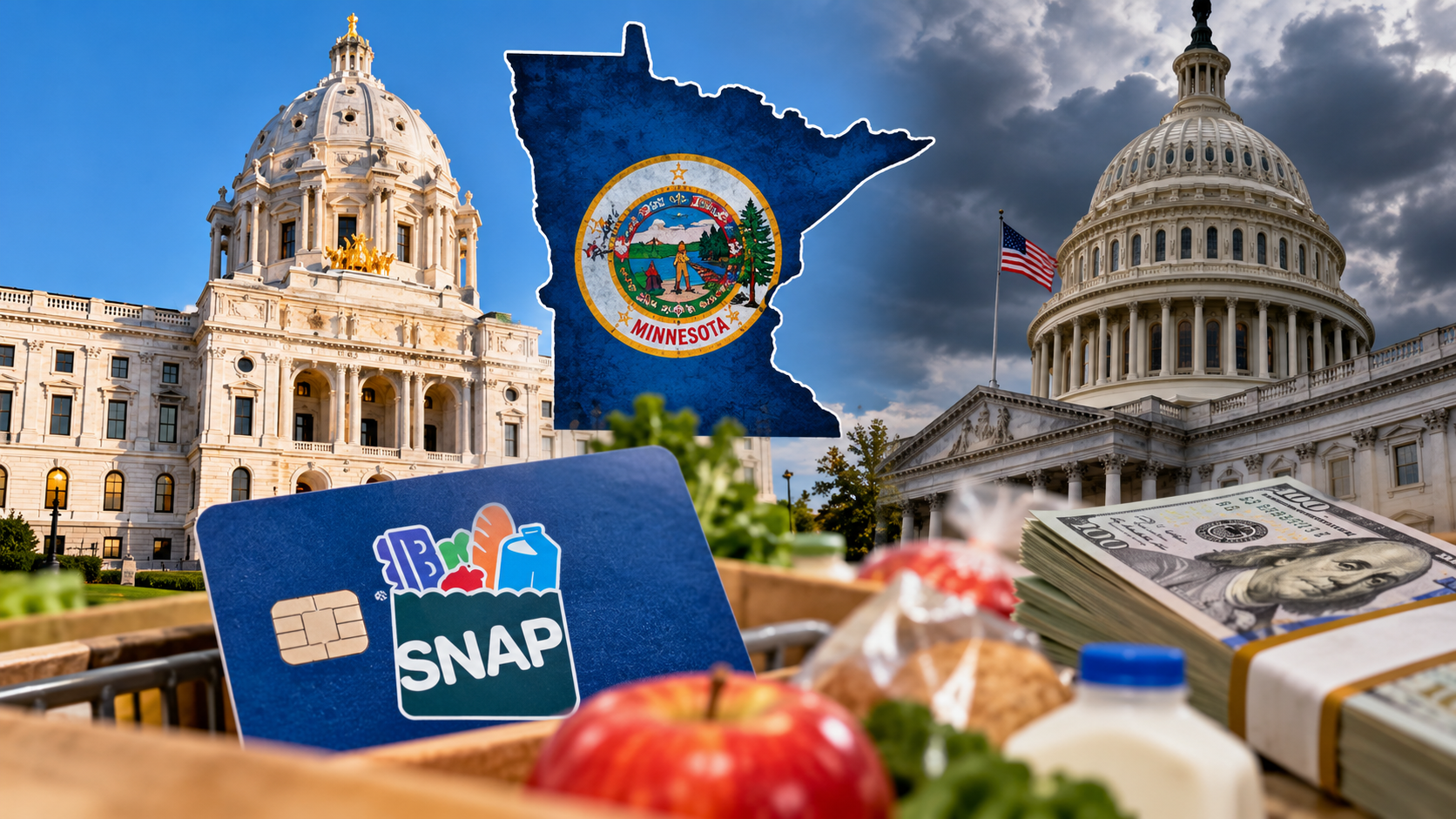
ST. PAUL, Minn. - Minnesota could face more than $100 million in additional costs for its food assistance program if the state fails to reduce its high payment error rate, raising concerns about the financial impact on taxpayers and the future of benefits for thousands of families.
The dispute comes as federal officials push Minnesota to turn over information about its Supplemental Nutrition Assistance Program (SNAP), commonly known as food stamps, while state leaders maintain that the federal government's data demands raise serious privacy concerns.
At the center of the controversy is Minnesota's reported SNAP payment error rate of approximately 12.5%, compared with a national average of 10.6%.
These errors include both overpayments and underpayments to eligible households. A payment error does not automatically mean fraud occurred. Mistakes can result from incorrect benefit calculations, inaccurate household information, administrative problems or changes in eligibility that were not properly processed.
More than $100 million at stake
Under changes to federal law, states with elevated SNAP payment error rates could be required to cover a larger share of the program's benefit costs.
For Minnesota, that could mean more than $100 million in additional financial responsibility if the state does not bring its error rate down.
The potential expense could place additional pressure on Minnesota's budget, forcing lawmakers to consider how to cover the costs while maintaining assistance for residents who depend on the program.
Although higher taxes or reductions in program spending are possible responses to additional state costs, neither outcome is automatic.
SNAP provides food assistance to low-income individuals and families, including children, older adults, and people with disabilities.
Federal government demands more information
The U.S. Department of Agriculture (USDA), which oversees SNAP nationally, says greater access to state-administered program data is necessary to identify problems and improve accountability.
Federal officials argue that cooperation from states is essential because state agencies handle eligibility decisions, benefit calculations and day-to-day program operations.
"The states have the data; they administer the program. If they don't share the data with USDA, then we're limited in what we can do to help," Deputy Secretary Vaden said in remarks provided in reporting on the dispute.
The disagreement has escalated into a legal battle, with the U.S. Department of Justice suing Minnesota over its refusal to provide the requested information.
Federal officials maintain that access to the data would help identify payment errors and strengthen oversight of taxpayer-funded assistance.
Minnesota raises privacy concerns
Minnesota's Department of Children, Youth, and Families (DCYF), which oversees SNAP administration in the state, has defended its decision not to comply with the federal data request.
The department argues that the request goes beyond established information-sharing practices and could expose sensitive personal information belonging to families receiving assistance.
According to the department, the request "threatens the privacy of millions of families, and ignores long-standing restrictions on the use and redisclosure of SNAP data."
State officials maintain that improving payment accuracy remains a priority, but they disagree with the federal government's approach to obtaining information.
Minnesota is pursuing its own efforts to reduce administrative mistakes and improve program performance while maintaining its position on the disputed data request.
The disagreement highlights a broader question about how federal agencies should oversee state-run assistance programs while protecting confidential information about recipients.
Questions about out-of-state EBT benefits
The controversy also comes amid questions surrounding a Wisconsin family reportedly receiving an electronic benefit transfer (EBT) card issued by Minnesota.
EBT cards are used to access SNAP benefits and can generally be used at authorized retailers across state lines.
However, receiving benefits from a state where a household does not reside can raise eligibility questions that require closer examination.
A Minnesota-issued EBT card being used in Wisconsin does not, by itself, establish wrongdoing. Eligibility depends on factors such as residency, household circumstances and whether benefits were properly issued.
The situation adds to growing scrutiny of how Minnesota verifies eligibility, monitors benefit payments and ensures that assistance reaches qualifying households.
What happens next?
Minnesota faces two separate but connected challenges: reducing its SNAP payment error rate and resolving its legal disagreement with the federal government over access to program information.
If the state fails to make sufficient improvements, the financial consequences could extend beyond the agencies administering the program.
Taxpayers could ultimately be asked to help cover additional costs, while lawmakers may face difficult decisions about state spending priorities.
For families who rely on SNAP, the outcome could also influence how the program is administered in the coming years.
Federal officials say cooperation and data sharing are important to improving accuracy. Minnesota officials argue that program integrity can be strengthened without compromising recipient privacy.
As the legal dispute continues, the central issue remains whether Minnesota can reduce costly payment mistakes before new federal funding requirements create a substantial burden on the state's budget.
For now, more than $100 million in potential costs remains at stake, along with questions about accountability, privacy and the future administration of food assistance in Minnesota.