This material may not be published, broadcast, rewritten, or redistributed. ©2026 Twincitieslocalnews - local news, local sports

Thursday, November 19, 2026
By MN Newswire staff
Published: November 03, 2026 9:27am
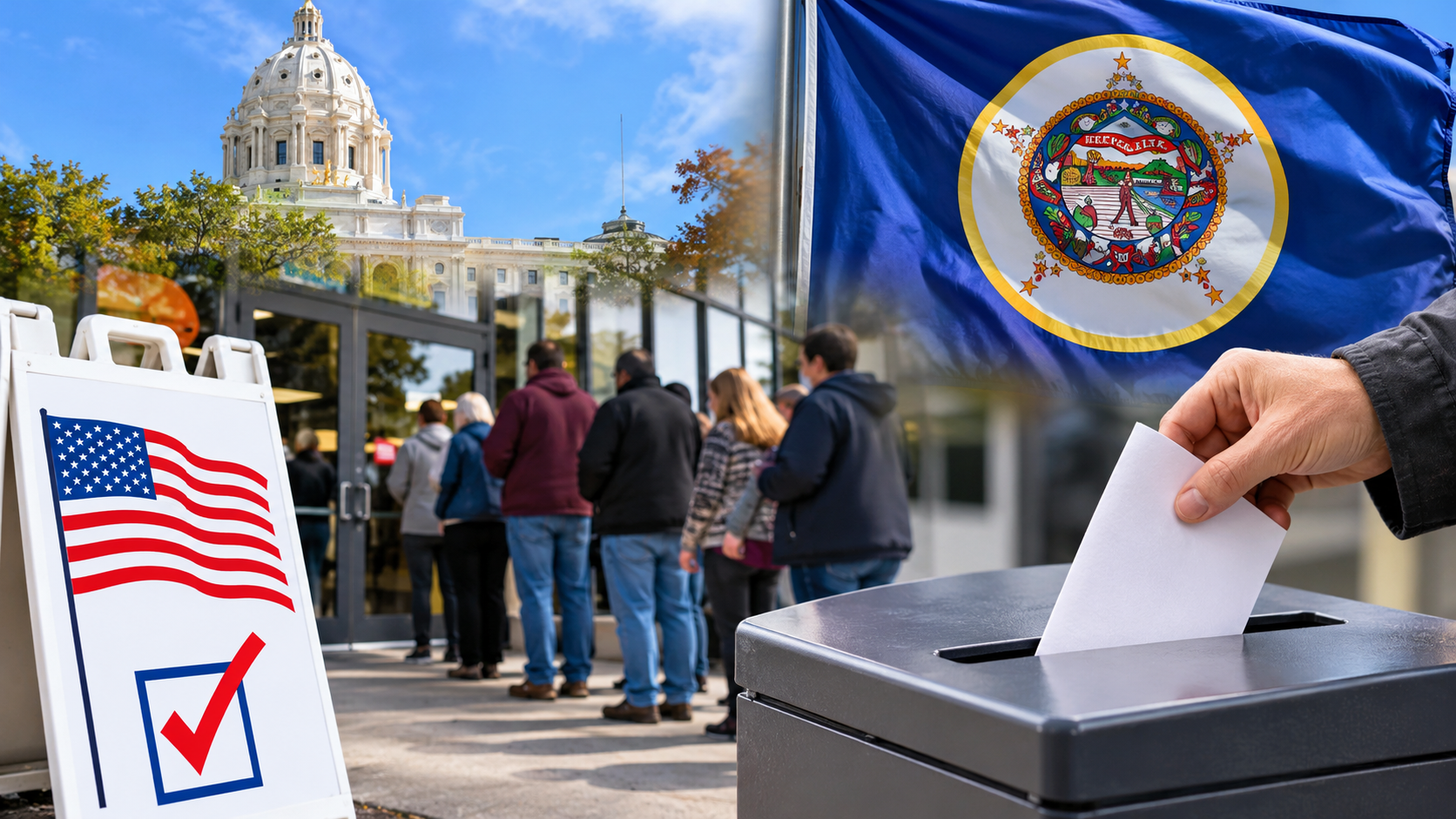
ST. PAUL, Minn. - Minnesota is entering Election Day with a record number of early ballots already accepted, while state officials continue addressing election security, federal oversight and concerns about maintaining public confidence in the voting process.
According to the Minnesota Secretary of State's Office, 886,427 absentee and mail ballots had been accepted as of Monday morning, November 2. The figure represents the highest early voting total recorded in Minnesota during a non-presidential election year.
Of those ballots, 619,847 were cast in person, while another 266,580 were returned by mail. The numbers demonstrate significant voter participation before polling locations opened Tuesday morning.
Election security remains a major focus
Minnesota Secretary of State Steve Simon confirmed Monday that communication with federal officials regarding election security resources had resumed after earlier concerns about reduced federal assistance.
State officials previously reported that certain federal election security services, including cybersecurity briefings and testing designed to identify vulnerabilities, had not been available during the August primary election.
Minnesota spent approximately $250,000 securing some of those resources independently.
Simon said federal officials recently provided a security briefing, although questions remain about the extent of federal support available to state election administrators.
Federal election monitoring raises questions
Federal election observers are expected at polling locations in Hennepin and Ramsey counties, bringing additional attention to how voting procedures are monitored.
Minnesota officials have also arranged for state-level observers to monitor the federal observers.
The situation reflects broader concerns surrounding election administration, transparency and the responsibilities of state and federal authorities.
Election monitoring is intended to help ensure compliance with applicable laws, but disagreements over federal involvement have added another layer of scrutiny to Minnesota's voting process.
Thousands of absentee ballots still outstanding
As of Monday morning, approximately 188,000 absentee ballots had not been returned.
Election officials have emphasized the importance of meeting ballot return deadlines. Voters who are concerned about whether their absentee ballot will arrive in time can instead vote at their assigned polling location, provided they have not already had a ballot accepted.
Minnesota polling locations are open from 7 a.m. until 8 p.m. Tuesday. Anyone waiting in line by 8 p.m. is entitled to vote.
Eligible residents may also register at their polling location on Election Day.
State leadership and government accountability at stake
Tuesday's election will determine Minnesota's next governor, a U.S. Senate seat and control of the state Legislature.
The governor's race between Democrat Amy Klobuchar and Republican Lisa Demuth has placed government accountability, public spending and fraud prevention at the center of political debate.
Both candidates have emphasized different approaches to addressing concerns about oversight of taxpayer-funded programs, while also discussing housing costs, education and public safety.
The outcome could influence how Minnesota approaches government spending, fraud investigations and state policy during the next administration.
Minnesota awaits election results
With hundreds of thousands of ballots already accepted, Minnesota enters Tuesday with substantial voter participation and continued attention on election integrity.
Local election officials will begin reporting results after polls close, although final outcomes in closely contested races may take additional time as ballots are processed and results are verified.
For Minnesota residents, the election represents an opportunity to determine the direction of state government while placing renewed attention on transparency, accountability and public trust.
The coming days will reveal not only which candidates voters have selected, but also how Minnesota's political leadership will respond to the financial and public safety concerns facing communities across the state.