This material may not be published, broadcast, rewritten, or redistributed. ©2026 Twincitieslocalnews - local news, local sports

Thursday, November 19, 2026
By MN Newswire staff
Published: November 14, 2026 9:11am
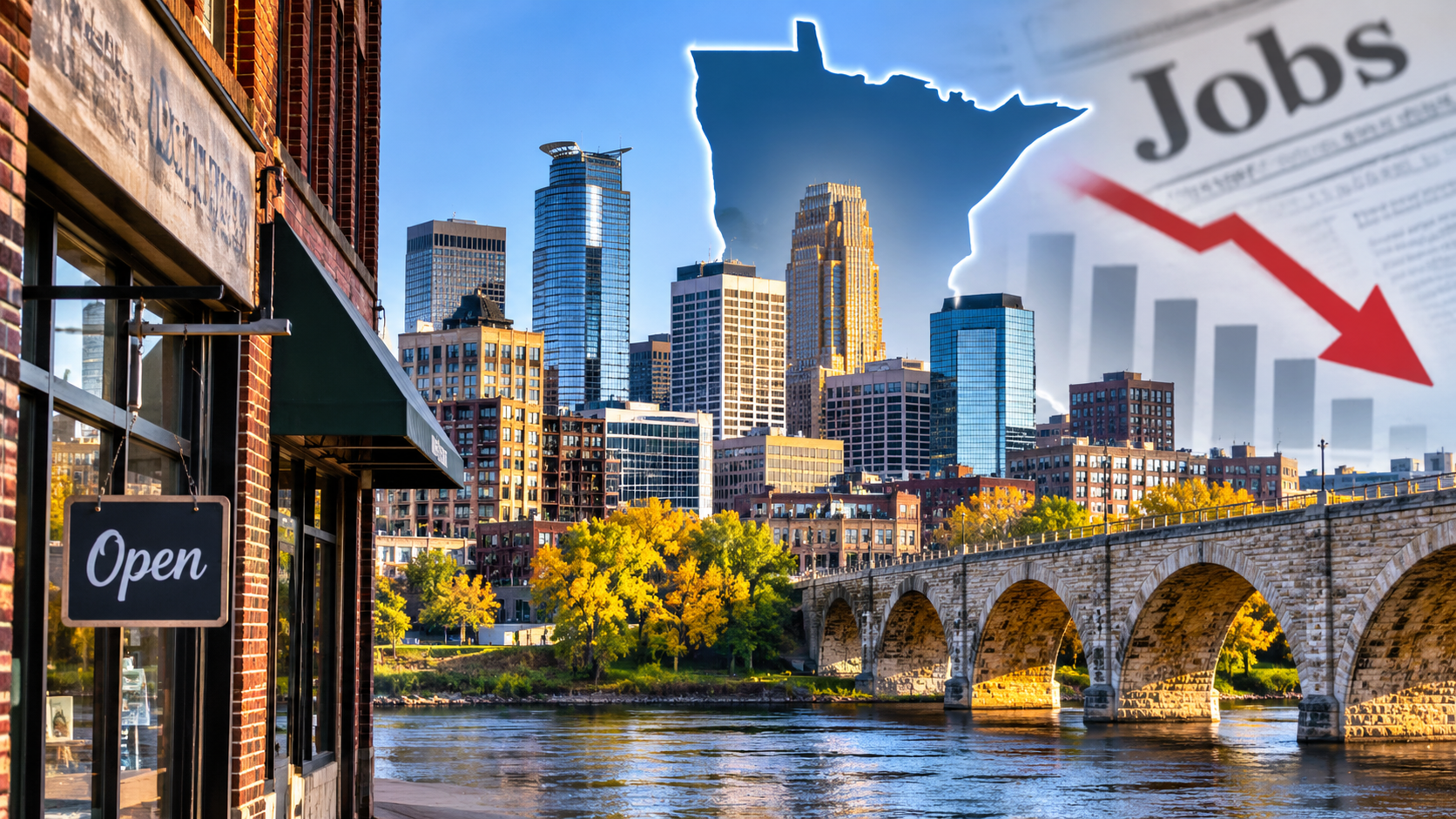
MINNEAPOLIS, Minn - Minnesota businesses are entering the final weeks of 2026 facing a mixed economic outlook, with newly released federal data showing that private-sector job losses outpaced job gains earlier this year.
According to a report released Friday, November 13, by the U.S. Bureau of Labor Statistics, Minnesota experienced a net loss of 8,767 private-sector jobs during the first quarter of 2026.
The report found that businesses opening or expanding operations created 133,910 jobs between December 2025 and March 2026. However, businesses closing or reducing their workforces eliminated 142,677 positions during the same period.
The figures highlight the challenges facing employers across several major industries, including manufacturing, transportation, hospitality and retail. The report measures employment changes during the first quarter and does not represent current November job losses.
Some industries continue to grow
Despite the overall decline, several industries demonstrated resilience.
Minnesota's construction industry recorded a net gain of 3,492 jobs during the first quarter, making it the strongest-performing sector in the report.
Retail trade also posted positive results, adding a net 2,079 jobs as businesses continued to open locations and expand existing operations.
Other industries experienced more difficult conditions.
Leisure and hospitality recorded a net decline of 3,764 jobs, while manufacturing lost 2,889 jobs. Transportation and warehousing experienced a net reduction of 2,799 positions.
The differences illustrate how economic conditions can vary significantly across Minnesota's business community.
Rising expenses remain a concern for employers
Beyond employment changes, Minnesota businesses are also navigating increased operating expenses and uncertainty surrounding consumer demand.
The Federal Reserve Bank of Minneapolis reported in October that economic activity across its district had increased slightly, although consumer spending declined modestly.
Businesses reported higher costs for materials, transportation and other operating necessities. Some retailers and hospitality businesses also experienced weaker revenue as customers became more selective about spending.
These conditions can create additional challenges for smaller companies that have fewer financial resources to absorb unexpected expenses.
For business owners, maintaining profitability while offering competitive prices may remain an important priority heading into 2027.
Holiday shopping could provide opportunities
As the holiday shopping season approaches, Minnesota retailers are preparing for one of the most important sales periods of the year.
A University of St. Thomas survey released November 9 found that Minnesota consumers outside the Twin Cities expect to spend an average of $1,182 during the holidays, compared with $863 among Twin Cities residents.
The survey also found that more than 60% of respondents across the geographic groups planned to begin shopping before Black Friday.
The findings suggest retailers may have opportunities to attract customers earlier in the season, particularly through promotions, convenient shopping options and competitive pricing.
However, planned spending does not guarantee actual sales, and individual businesses could experience different results depending on their products, locations and customer demand.
Business confidence remains despite challenges
Minnesota manufacturers are also expressing a combination of optimism and concern.
A State of Manufacturing survey released November 11 by Enterprise Minnesota found that 88% of surveyed manufacturers were confident about their companies' futures, even as 55% believed Minnesota's overall business climate had worsened.
Rising material costs, workforce availability and regulatory expenses were among the concerns identified by manufacturers.
The survey also found that 49% of manufacturers were actively hiring, suggesting that some companies continue to pursue growth despite broader economic pressures.
What comes next for Minnesota's economy?
The coming months could provide a clearer picture of how Minnesota businesses are responding to changing economic conditions.
Retailers will be watching holiday sales, manufacturers will continue evaluating production and hiring needs, and employers across multiple industries will be assessing expenses and investment opportunities for the new year.
The Minnesota Chamber of Commerce is scheduled to hold its annual meeting November 17 in Bloomington, where its 2027 Business Benchmarks report is expected to examine the state's economic performance and competitiveness.
While the latest employment figures reveal weaknesses in several industries, growth in construction and retail demonstrates that opportunities remain.
For Minnesota businesses, the challenge moving forward will be balancing operating costs, workforce needs and customer demand while positioning themselves for a potentially changing economic environment in 2027.