This material may not be published, broadcast, rewritten, or redistributed. ©2026 Twincitieslocalnews - local news, local sports

Thursday, November 19, 2026
By MN Newswire staff
Published: November 13, 2026 10:28am
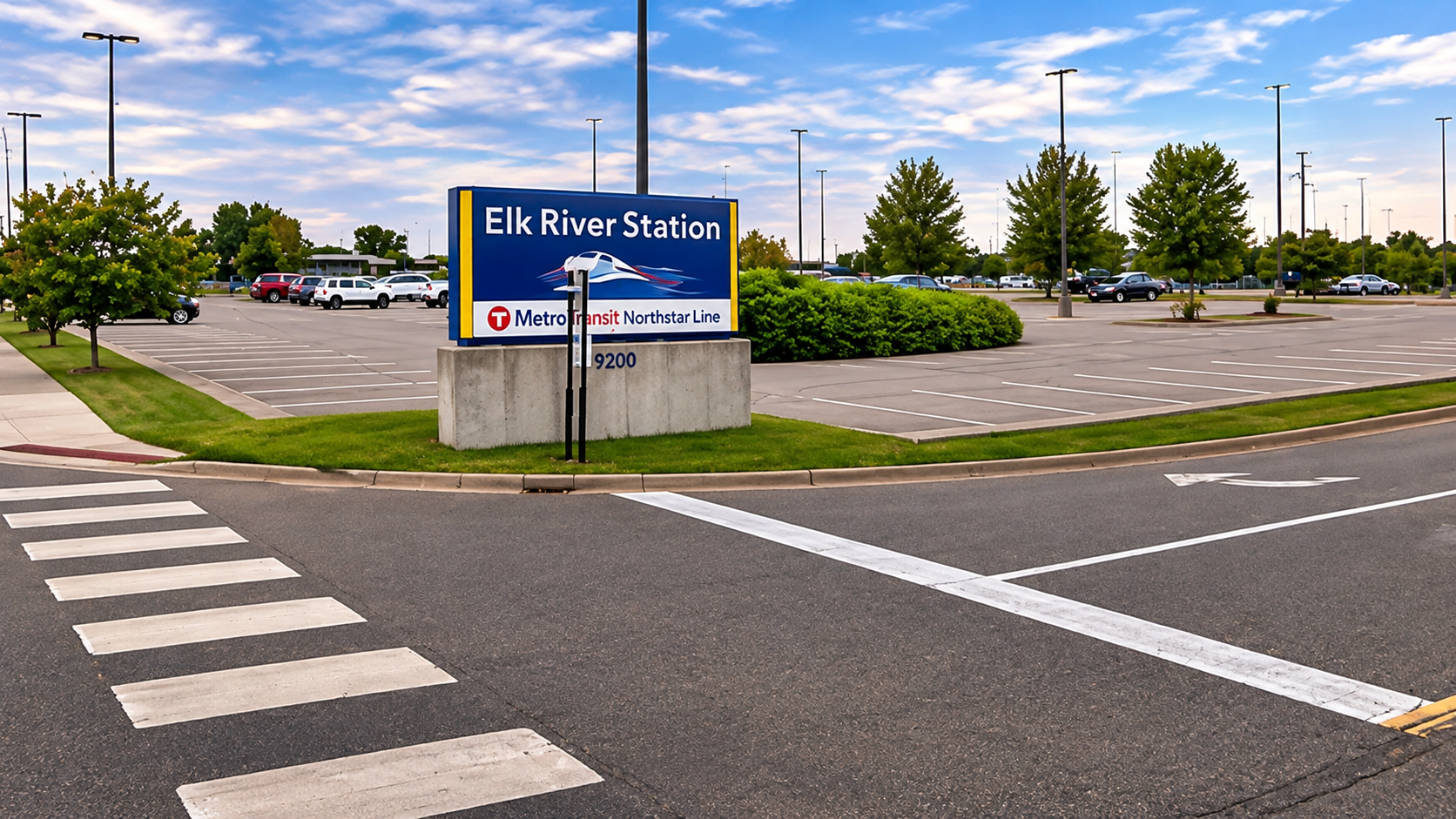
ELK RIVER, Minn - For more than 16 years, the Northstar commuter rail station in Elk River served as a transportation connection between Sherburne County and downtown Minneapolis. Now, nearly a year after passenger train service ended, the former station represents a significant chapter in the region's transportation history and raises questions about the future of commuter travel.
The Northstar Commuter Rail Line began operating on November 16, 2009, offering residents of Elk River and surrounding communities an alternative to driving along busy Highway 10 and Interstate 94.
The service connected Big Lake, Elk River, Ramsey, Anoka, Coon Rapids, Fridley and downtown Minneapolis, providing transportation for commuters traveling to work, sporting events and other activities in the Twin Cities.
For Elk River, the station was more than a place to board a train. It represented an investment in public transportation and an effort to accommodate growth along one of Minnesota's important commuter corridors.
A station built for a growing community
Construction of the Elk River station began in 2008 as part of the larger Northstar rail project.
The station was designed with modern passenger amenities, including covered shelters with on-demand heating, bicycle lockers, ticket machines, security cameras and accessible boarding platforms.
A parking lot with approximately 754 spaces was also included to accommodate commuters who wanted to leave their vehicles behind and travel into Minneapolis by train.
At the time, regional transportation planners viewed commuter rail as an opportunity to reduce highway congestion and provide another transportation option for residents living northwest of the Twin Cities.
Years of service come to an end
Despite early expectations, Northstar struggled to maintain the ridership necessary to support its operating costs.
The COVID-19 pandemic accelerated those challenges as remote work became more common and fewer employees traveled to downtown Minneapolis each day.
Before the pandemic, the rail line averaged approximately 2,660 weekday riders. By the first half of 2025, average daily ridership remained below 500, according to Metropolitan Council documents.
Operating expenses also became a major concern. Transportation officials concluded that expanded bus service could provide more flexible travel options at a lower cost.
The final Northstar passenger trains operated on January 4, 2026, ending more than 16 years of commuter rail service. The transition to replacement bus service began the following day.
What happened to transportation service in Elk River?
Although the trains are no longer operating, Elk River residents have not been left entirely without a public transportation connection to Minneapolis.
Metro Transit introduced Route 882 on January 5, 2026, as part of a two-year pilot program operated through an agreement with the Minnesota Department of Transportation.
The express bus route connects Big Lake and Elk River with downtown Minneapolis on weekdays.
The service provides three southbound morning trips and three northbound afternoon trips, offering an alternative for residents who previously depended on Northstar.
Unlike the former rail service, however, the replacement route operates on roadways, making it a different commuting experience for passengers accustomed to traveling by train.
What is next for the former train station?
With Northstar service discontinued, the future of station properties along the former rail corridor has become an important issue for local governments.
Communities that invested in parking facilities, pedestrian connections and other rail-related infrastructure must now consider how those properties can continue serving residents.
In Elk River, the former station's location and existing transportation infrastructure could present opportunities for future public transportation uses.
However, no confirmed redevelopment plan specifically for the Elk River station was established in the sources reviewed for this report.
The broader Northstar corridor has already prompted discussions about reusing former rail facilities, with some communities exploring new transportation connections and alternative uses for station properties.
For Elk River, any future changes would need to account for property arrangements, transportation needs and the long-term costs of maintaining existing infrastructure.
A lasting piece of Elk River's transportation history
The former Northstar station remains part of a larger story about how transportation needs have changed across Minnesota.
When Northstar began operating in 2009, commuter rail was promoted as a long-term solution for growing communities northwest of Minneapolis. The idea was straightforward: give residents a reliable alternative to highway traffic while connecting suburban communities with the region's largest employment center.
More than a decade later, changing work habits, declining ridership and rising financial pressures brought that vision to an end.
The shift from trains to buses also highlights the challenges facing transportation planners as they attempt to balance public demand, convenience and operating costs.
For residents who remember boarding Northstar trains in Elk River, the station represents a period when passenger rail was part of everyday life in the community.
While the trains have stopped carrying commuters, the transportation corridor continues to serve the region in a different way.