This material may not be published, broadcast, rewritten, or redistributed. ©2026 Twincitieslocalnews - local news, local sports

Thursday, November 19, 2026
By MN Newswire staff
Published: October 17, 2026 1:27pm
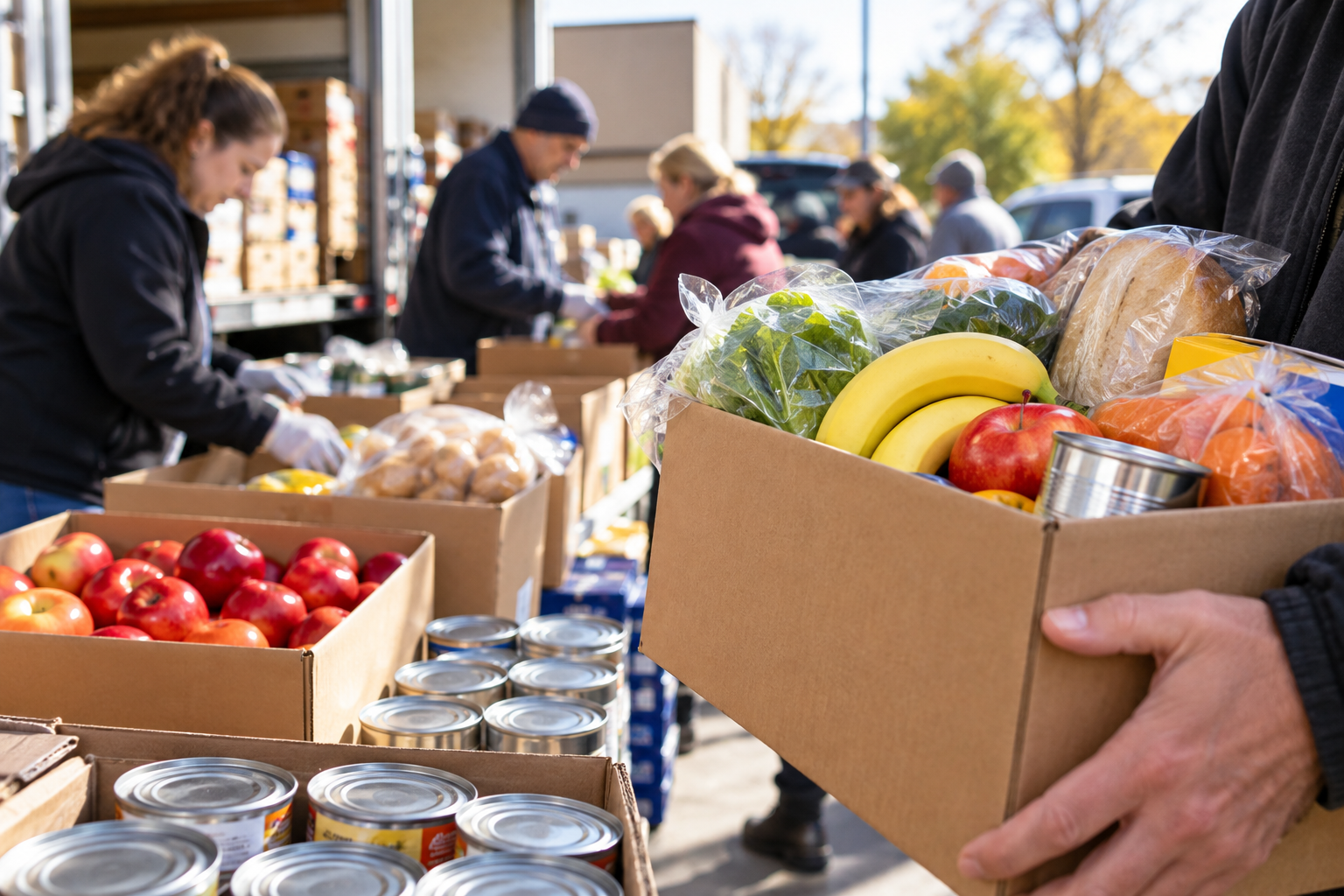
MINNEAPOLIS, Minn. - Minnesota food shelves are experiencing unprecedented demand as rising grocery prices, transportation expenses and other household costs continue to put financial pressure on families across the state.
Second Harvest Heartland, one of the region's largest hunger-relief organizations, reports that a record 172 million pounds of food were distributed to food shelves over the past year, highlighting the growing need for food assistance throughout Minnesota.
The record distribution comes as inflation and higher diesel prices increase the cost of transporting food and maintaining operations. These challenges affect organizations responsible for delivering groceries and essential supplies to communities across the state.
For many Minnesota households, food expenses are competing with other necessities, including housing, utilities and transportation. Even families with steady employment can face difficulties keeping up when everyday expenses rise faster than their earnings.
Recent economic figures add to those concerns. Minnesota workers' average hourly earnings showed no growth over the past year, while inflation increased 3.7%, according to figures highlighted by the Minnesota Department of Employment and Economic Development. Nationally, average hourly earnings increased 2.9% during the same period.
The combination of stagnant wages and higher living expenses creates additional challenges for households already operating on limited budgets.
Food shelves play an important role in addressing those financial pressures by providing groceries and other essentials to people experiencing food insecurity. However, growing demand also places additional strain on food distribution networks, transportation systems and community organizations.
The record amount of food distributed illustrates the scale of assistance being provided across Minnesota, while raising broader questions about affordability and the financial stability of households.
As the state moves toward the winter months, the need for food assistance remains an important concern for families and the organizations serving them.
The latest figures underscore a growing challenge across Minnesota: ensuring residents have reliable access to affordable food while the cost of everyday necessities continues to stretch household budgets.
For residents seeking assistance, local food shelves and hunger-relief organizations remain important resources for finding groceries and community support.