This material may not be published, broadcast, rewritten, or redistributed. ©2026 Twincitieslocalnews - local news, local sports

Thursday, November 19, 2026
By MN Newswire staff
Published: November 13, 2026 12:26pm
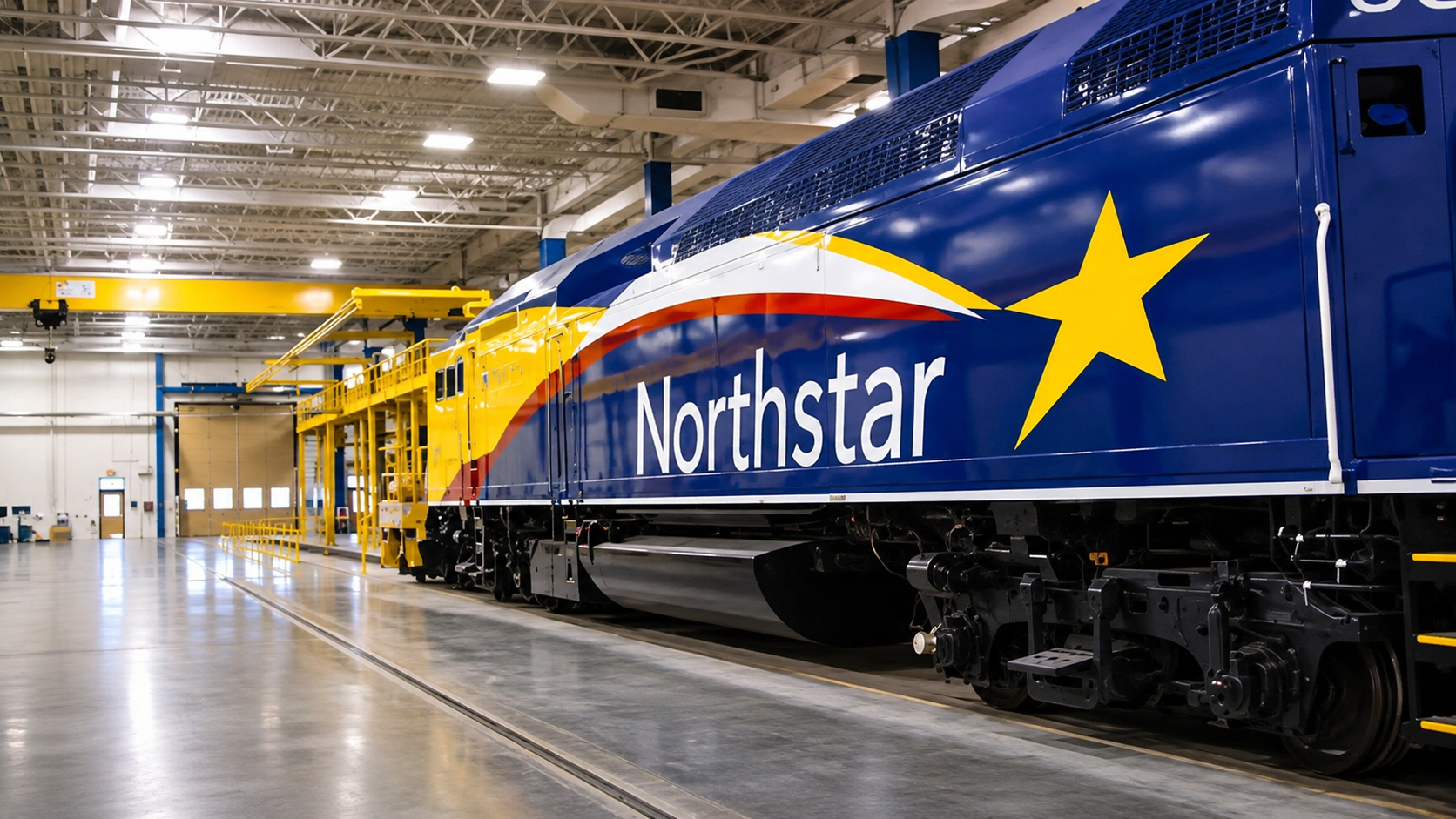
BIG LAKE, Minn - The future of the Northstar commuter rail maintenance facility in Big Lake is drawing attention as changes to the region's transportation system raise questions about what will happen to the property, equipment and infrastructure associated with the rail service.
For years, Big Lake served as a critical location for Northstar commuter rail operations, providing a northern endpoint for trains traveling between the community and downtown Minneapolis.
The maintenance facility played an important role in keeping trains operational, supporting inspections, servicing and other work necessary to maintain the commuter rail fleet.
With the future of Northstar rail operations changing, the facility's long-term purpose has become an important question for the community.
A major investment in Big Lake
The Northstar commuter rail line began operating in November 2009, connecting Big Lake with Minneapolis and several communities along the Highway 10 corridor.
The service was designed to provide commuters with an alternative to driving, particularly during busy morning and evening travel periods.
The Big Lake maintenance facility was developed to support those operations, providing space for trains to be stored, inspected and serviced.
Unlike a traditional passenger station, the maintenance facility contains specialized infrastructure designed for railroad operations.
That infrastructure could make the property valuable for future transportation uses, although converting it for another purpose could require additional investment.
What could happen to the maintenance facility?
Several possibilities could shape the property's future, depending on decisions by transportation officials and other agencies responsible for the infrastructure.
One possibility would involve retaining the facility for railroad-related operations, allowing existing infrastructure to support other transportation or maintenance needs.
Another option could involve repurposing the property for a different public use, although such a change would likely require planning, funding and coordination among government agencies.
The facility could also remain in place while officials determine whether its existing equipment and infrastructure have a practical long-term use.
Any potential sale, redevelopment or transfer of the property would depend on ownership arrangements, applicable agreements and official decisions.
At this stage, a specific redevelopment plan should not be assumed without confirmation from the agencies involved.
Metro Transit previously acknowledged uncertainty
Northstar officially ended passenger service on January 4, 2026, following a Metropolitan Council decision driven by declining ridership and high operating costs.
Before the shutdown, Metro Transit Chief Operating Officer Brian Funk acknowledged that the agency was working with the Minnesota Department of Transportation to determine the long-term future of the stations, trains and Big Lake maintenance facility.
Maintenance costs and equipment remain important questions
The former maintenance facility represents a different challenge from the passenger stations along the Northstar corridor.
While some station properties could potentially accommodate new development, a specialized rail maintenance facility was designed for a specific transportation purpose.
Officials may need to evaluate whether maintaining the building and its railroad equipment is financially practical without regular commuter train operations.
Other considerations include the condition of the facility, ongoing utility expenses, security, equipment storage and whether any existing railroad infrastructure could support future transportation projects.
There are also questions about what will happen to the locomotives and passenger cars formerly used by Northstar.
The ultimate disposition of those assets could influence decisions about the Big Lake facility.
Big Lake continues transportation transition
Although commuter trains no longer operate between Big Lake and Minneapolis, replacement bus service began January 5, 2026.
The transition marked the end of more than 16 years of Northstar operations and shifted the region toward a transportation model intended to better match passenger demand.
The former rail facilities remain part of a larger discussion about the investments made in Northstar and how those investments might continue serving Minnesota residents.
For Big Lake, the maintenance facility is one of the most significant pieces of infrastructure left behind by the commuter rail system.
What comes next?
As of November 13, 2026, a final, publicly confirmed plan for the Big Lake maintenance facility could not be established from the sources reviewed for this report.
The property's future may depend on decisions involving Metro Transit, MnDOT, railroad stakeholders and other government agencies.
Whether the facility remains available for railroad operations, is converted to another use or eventually becomes part of a redevelopment effort remains an open question.
For now, the former Northstar maintenance facility stands as a reminder of a major regional transportation investment whose passenger service has ended, but whose infrastructure may still have a role to play in Minnesota's future.