This material may not be published, broadcast, rewritten, or redistributed. ©2026 Twincitieslocalnews - local news, local sports

Thursday, November 19, 2026
By MN Newswire staff
Published: October 28, 2026 4:42pm
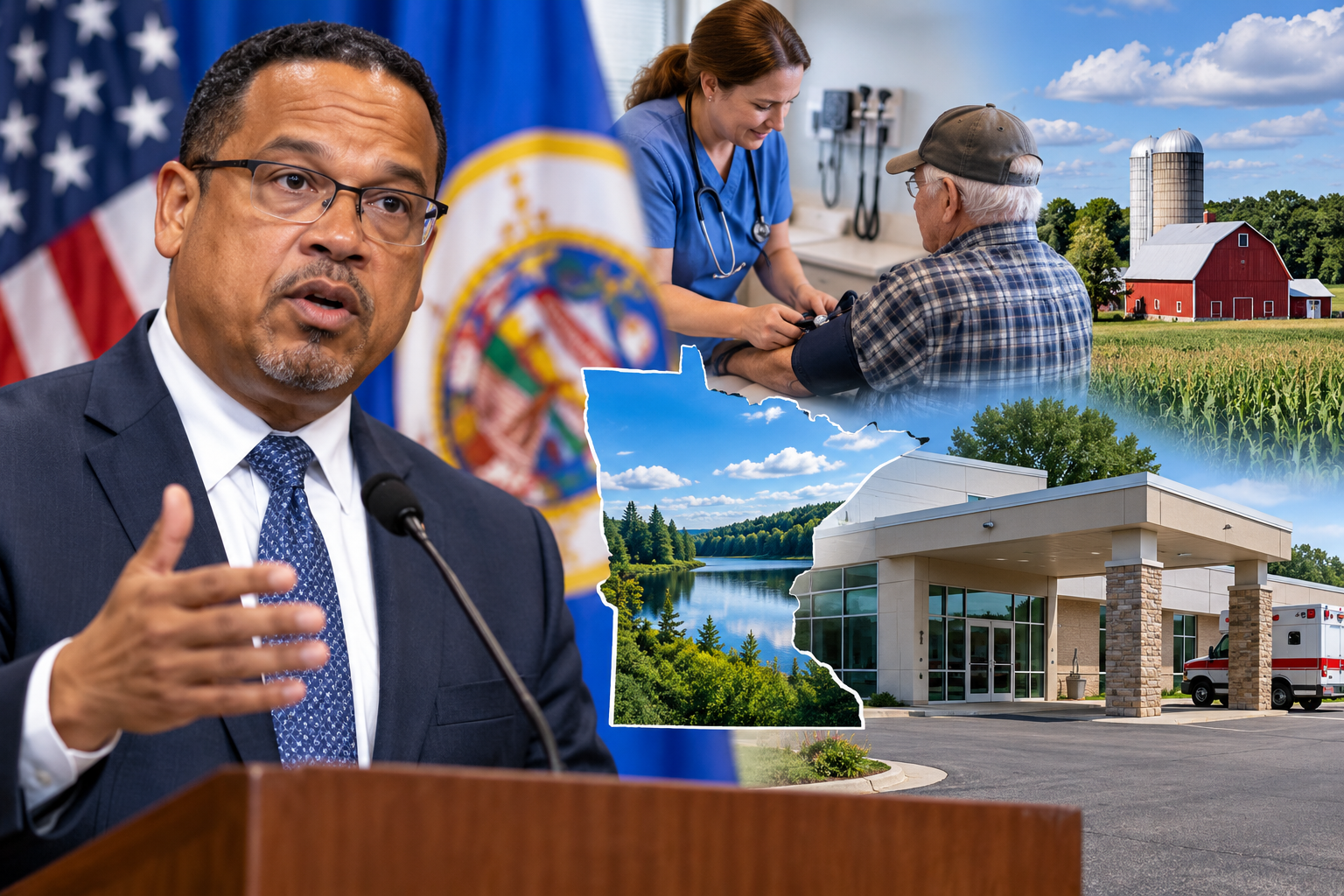
ST. PAUL, Minn. - Minnesota officials are taking new steps to address a growing healthcare challenge affecting families across rural communities, where hospital closures and disappearing maternity services are forcing some residents to travel significant distances for medical care.
On Wednesday, October 28, Minnesota Attorney General Keith Ellison announced the launch of the Strengthening Rural Maternal Healthcare in Minnesota project, an initiative aimed at improving access to pregnancy, childbirth and postpartum healthcare services throughout Greater Minnesota.
The announcement comes as rural hospitals face increasing financial pressures, staffing challenges and concerns about their ability to maintain essential medical services.
Thousands of Minnesota Families Face Limited Healthcare Access
According to information released by the Minnesota Attorney General's Office, more than 700,000 Minnesotans live in counties without hospital labor and delivery services.
The figures also show that more than 67,000 women of childbearing age live over 30 minutes from a hospital offering delivery services, while approximately 13,000 live more than an hour away.
For expecting parents in rural Minnesota, these distances can become especially concerning during medical emergencies or severe winter weather.
The loss of maternity services is part of a larger healthcare problem. Since 2010, Minnesota has experienced a decline of more than 20% in hospital-based obstetric services, placing it among a small group of states experiencing particularly significant reductions.
New project will examine possible solutions
The initiative will bring together healthcare organizations, medical professionals and community representatives to evaluate existing services and identify opportunities to improve care.
The project will examine where maternity services are currently available, identify communities facing the greatest access challenges and explore partnerships that could strengthen regional healthcare networks.
Lois Quam, a strategic facilitator working with the Attorney General's Office, will help coordinate the effort.
An initial meeting is expected before the end of 2026, with recommendations scheduled for release in 2027.
The project is part of the broader Rural Healthcare Stability Initiative, which includes a $15 million commitment from Sanford Health.
Financial pressures raise additional concerns
The initiative arrives as hospitals across rural Minnesota prepare for potential financial challenges associated with upcoming federal Medicaid funding reductions.
Rural hospitals frequently serve communities with smaller populations, making it difficult to maintain specialized medical departments that require around-the-clock staffing and expensive equipment.
Healthcare providers must balance the importance of keeping services close to patients with the need to maintain safe staffing levels and sufficient clinical experience.
These challenges have raised questions about the long-term sustainability of maternity care in smaller communities.
What this means for Minnesota residents
For families living outside the Twin Cities metropolitan area, access to reliable healthcare remains an important quality-of-life issue.
Longer travel distances for maternity services can affect medical decisions, increase transportation expenses and create additional concerns for families preparing for childbirth.
The new initiative does not immediately reopen closed maternity departments or guarantee additional hospital services. Instead, it establishes a process for identifying practical solutions and improving cooperation between healthcare providers.
The findings could influence future discussions about healthcare funding, regional hospital partnerships and access to medical services throughout the state.
Looking ahead
Minnesota officials expect the project to produce recommendations in 2027, potentially offering a framework for addressing maternity care shortages in rural communities.
As healthcare organizations and state leaders work toward solutions, the central challenge remains ensuring that Minnesota families can receive safe, dependable medical care without traveling excessive distances.
For rural communities, the outcome could have lasting implications for healthcare accessibility and the future of local hospitals.